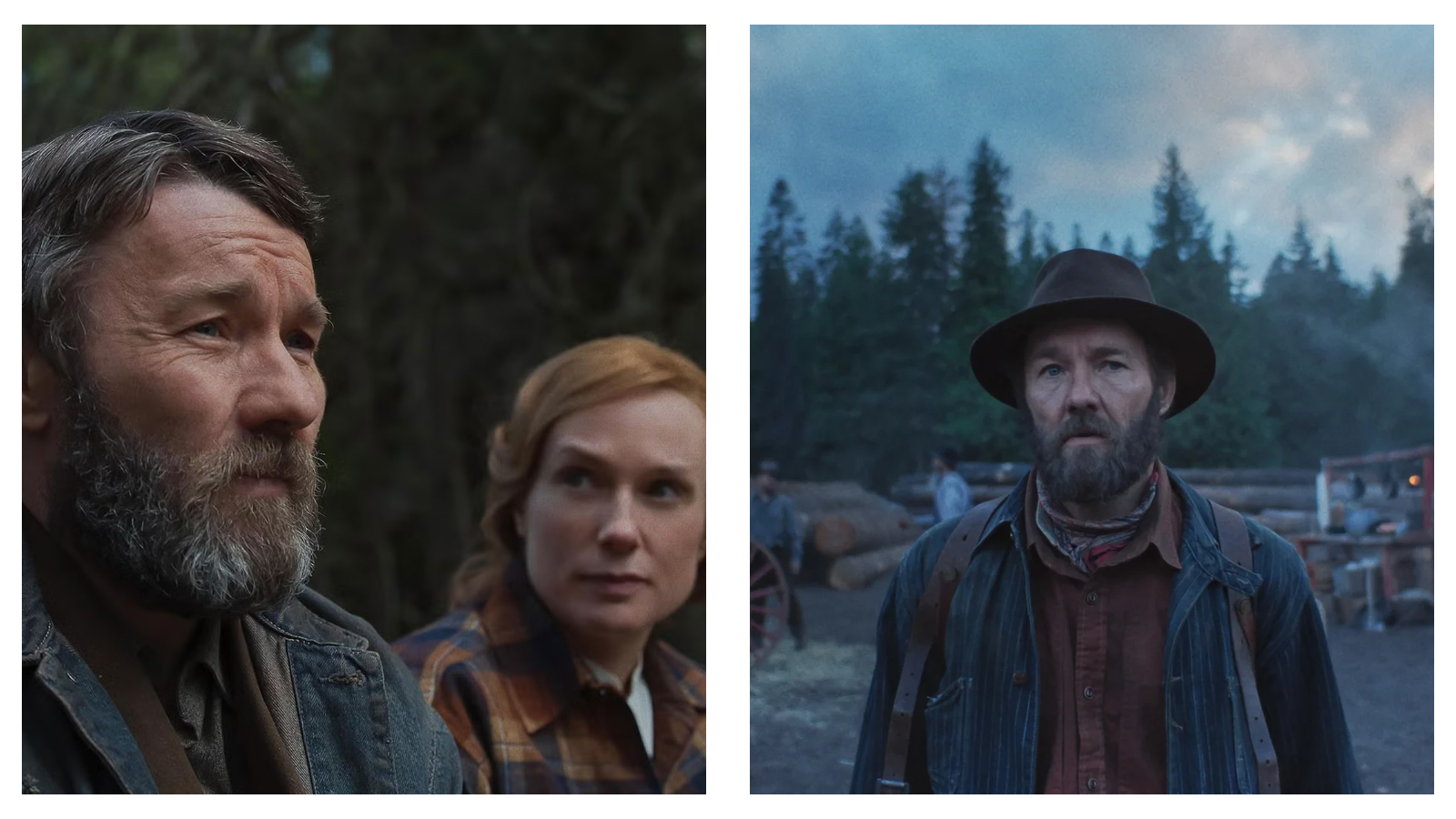
With wins for Best Feature, Director and Cinematography at the 2026 Spirit Awards, Netflix’s masterful period piece Train Dreams looks to be pressing on for more recognition with the Oscars on the horizon.
Starring Joel Edgerton, director Clint Bentley’s film looks to be the streaming service’s first choice for awards season recognition; only a surprise Frankenstein nomination joins Train Dreams on the list for the Oscars’ top prize.
The Best Picture nominee will surely take all the momentum served up to it, but was it a worthy winner?
Film News Blitz writer Freddie Thomas-Neher takes a closer look.
What is ‘Train Dreams’ about?
Train Dreams is a period piece detailing the beautiful yet harsh realities of one man’s life across the early 20th century.
Edgerton arguably pulls a career-best performance as wandering logger Robert Granier; the film documents his 80 years living in Bonners Ferry, Idaho and gives a stark, almost fly-on-the-wall portrayal of the orphan’s family life in adulthood and his struggles to keep up with the changing landscape of his country.
William H. Macy, most recognisable through Shameless fame, turns in a charming showing as Edgerton’s older logging companion, with Felicity Jones’ portrayal of Granier’s wife also impossible not to affect.
Origins and early successes
The film is originally based on a 2011 novella by Denis Johnson, which was equally acclaimed, becoming a finalist for the 2012 Pulitzer Prize after originally being published in a different format in 2002’s The Paris Review.
Netflix acquired the rights to the film after a strong showing at the Sundance Festival and allowed for a short theatrical run before the film’s global streaming debut.
Train Dreams is nominated four times at the upcoming 98th Academy Awards.
Americana, Terrance Malick and an honest life
Magical at points, Train Dreams is a beautiful, peaceful portrayal of the American landscape through a thoroughly believable lens.
Situated against a green, lush Northwest, the titular motif of Granier’s struggles against the ever-evolving technology of the country is beautifully crafted alongside Idaho’s slow modernisation.
Desperation, guilt and longing are perfectly and stoically brought to the forefront by Edgerton, who epitomises the American labourer simply trying to make ends meet.
The drama is impossible to watch without harkening to the work of Terrance Malick, who specialises in the portrayal of mid-century America and the harshness of industrialisation, most notably in his 1978 offering, Days of Heaven.
The observational filmmaking style allows for all the more emotional depth; watching Granier go through endless tribulations with little support almost makes the viewer want to offer some through the screen, but the lonesome logger’s journey, for better or for worse, remains primarily a solitary one.
The soundtrack, Nick Cave and lone criticisms
Bryce Dessner’s fitting and delicate score adds all the more to the tugging on the heartstrings.
The use of classic American instrumentation, including banjos, parlour pianos and pump organs, combined with primarily analogue sounds, creates an atmospheric and immersive backdrop to its melancholy subject matter.
Legendary singer-songwriter Nick Cave collaborated with Dessner for the eponymous track over the end credits, occupying one of the film’s four Oscar nods.
The only real criticism the film has faced is its slow pace and detached style, which require a certain degree of patience at times.
However, in accordance with Malick’s work, the film requires the viewer to buy into the world it presents, even in such small slivers as Train Dreams offers.
Anything Malick adjacent will never be filled with Hollywood pomp, but will have emotional depth, style and personality in abundance.
A serene portrait of early 20th-century Americana through the eyes of a humble logger, Train Dreams is more than a worthy winner of any award that comes its way.
READ NEXT – Film opinion: How to fix ‘F1: The Movie’ with confirmed sequel