Peaky Blinders: The Immortal Man was released in select cinemas on Friday, 6 March, amid much fanfare, ahead of its Netflix release on 20 March.
Film News Blitz writer Finn Littlewood is here to give his positive take.
Reviews have been surprisingly mixed so far, but as a diehard Peaky Blinders fan, I am here to tell you why Steven Knight and co. have smashed it out of the park with this film.
The Birmingham-based action drama has become a cultural phenomenon all over the world since its debut in 2013.
Wonderfully written
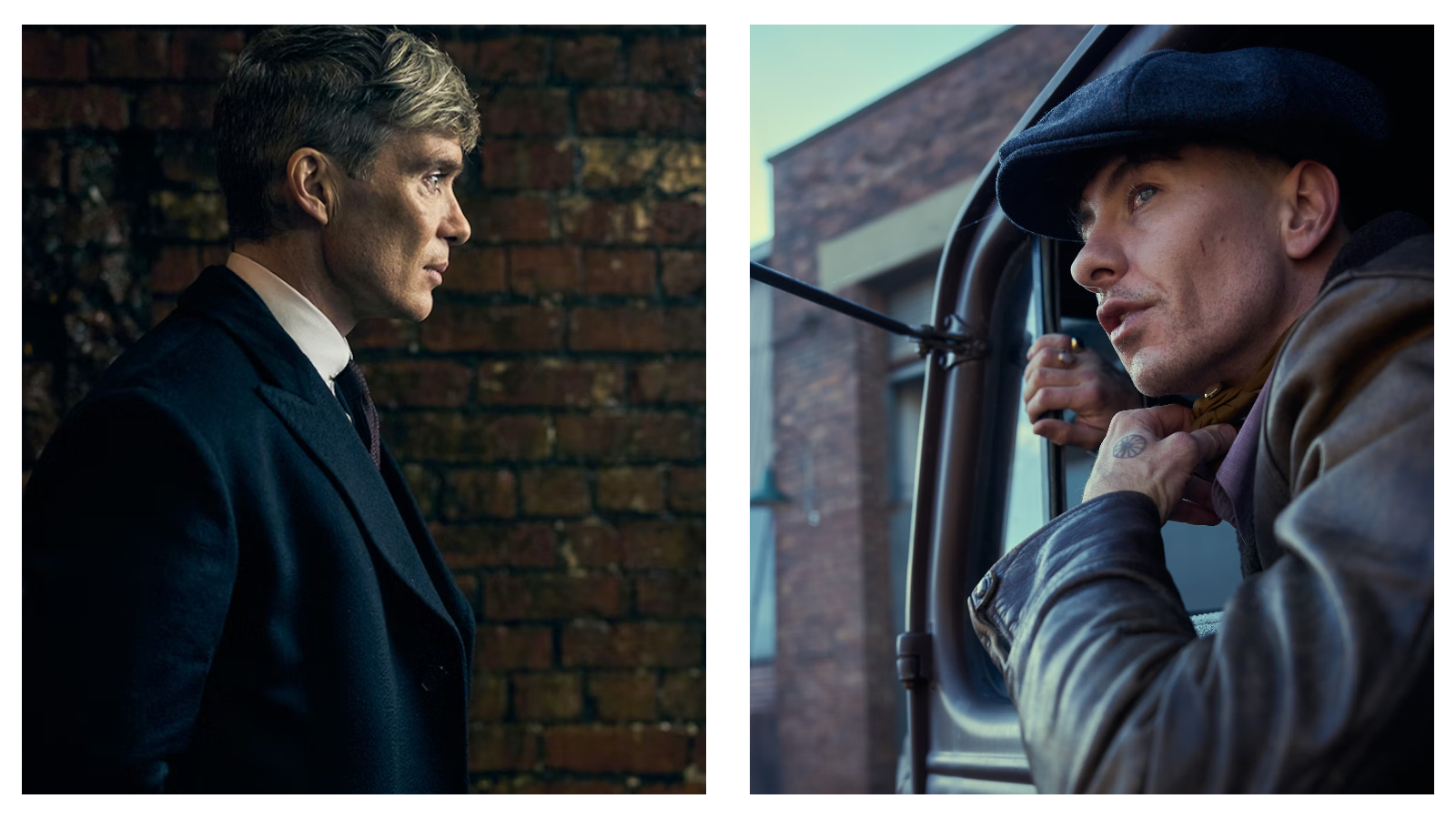
The film saw the return of Oscar-winner Cillian Murphy (Thomas Shelby), Sophie Rundle (Ada Thorne), Stephen Graham (Hayden Stagg), Packy Lee (Johnny Dogs) and more, including the introduction of new characters played by Tim Roth and Rebecca Ferguson.
Barry Keoghan took on the role of Duke Shelby, Tommy’s illegitimate son from before the events of season one, who seems to have been set up for a future spin-off series.
When Duke, who has taken over the Peaky Blinders, gets caught up in a Nazi plot during WWII, the reclusive Tommy must come out of exile to ‘save’ his son.
Roth’s character, Beckett, tasks Duke with helping the Nazis to flood England’s economy with fake banknotes, which would ultimately ‘decide the war for the Germans’.
Spoilers ahead – you have been warned!
As always, at the beginning, Tommy is battling demons in his head in an old abandoned house with seemingly his closest ally, Johnny Dogs.
Early into the movie, it becomes apparent that Arthur Shelby, Tommy’s older brother, has been killed off-camera due to controversies surrounding the actor behind the role, Paul Anderson.
Despite the absence of many of the show’s original characters, it is written and shot so well that it retains that feeling of a ‘cut-throat razor gang from Birmingham’.
Other than Tommy, Ada has been the most ever-present character since the show’s beginning, yet she suffers a brutal death not half an hour into the film.
It is emotional and unexpected, the perfect combination for a gut-wrenching death in a film.
A sequence where Tommy sees Ada as a ghost immediately after the fact coincides with the subplot of him seeing ghosts of his family, in particular, his daughter Ruby.
Murphy’s acting manages to depict just how important Ada is to Tommy, yet it never quite felt that way in the six seasons of television, which highlighted in that moment just how vital Ada has been.
From that scene, I knew the filmmakers had got it spot on.
The remainder of the film includes Tommy and Duke plotting to take revenge on Beckett, as Duke appears as if he plans to betray his father.
They leave it unclear whether the betrayal is going to happen, which leaves you on edge until the moment it doesn’t.
Magnificent sound
Easily my favourite element of this film was the score and soundtrack; in typical Peaky Blinders fashion, it created suspense, hype and deep sadness all into one package.
The soundtrack was created by musicians Anthony Genn and Martin Slattery, with features from big names like Amy Taylor, but mainly Fontaines DC frontman Grian Chatten.
This film was made for the big screen, and the sound kept you on your toes from the opening scene.
The emotion of Ada’s death is multiplied by the song that plays over it, as is the case for every other scene in this soundtrack-dominated masterpiece.
Perfect ending
The film’s final sequence includes a dramatic plot to deceive Beckett and his Nazi soldiers in a warehouse in Liverpool, with the help of Hayden Stagg, who appeared briefly in season six but left a significant mark by helping Arthur with his mental health problems.
Tommy returns to where it all began, the underground tunnels, to make it to Beckett’s warehouse unnoticed.
Among the fighting, the Blinders successfully pull off their plan, yet Beckett attempts to leave the warehouse and run Tommy over.
Tommy is shot twice in the chest by Beckett, yet he kills him, but doesn’t make an attempt to jump out of the way of the car that is careening towards him in the melee.
Duke tackles his dad out of the way, and the pair embrace in an act of affection that either of them has rarely experienced.
Tommy is dying and asks Duke to shoot him, saying, “You’d do it if I were a horse”.
Duke is reluctant; he has just got his dad back after all these years, the one thing he’s only ever truly wanted.
Tommy Shelby, who has lost everyone and has always wanted to die since the moment he graced our screens 13 years ago, was about to get his wish.
Duke pulls the trigger, and life drains out of Tommy’s eyes.
It finally happened: after seasons of close calls and even failed attempts by himself, Tommy Shelby had gone to the only place he wanted to go.
I couldn’t quite believe it. I didn’t think I’d ever see the day that perhaps modern television’s most iconic character would die.
The final scene of the film showed Tommy’s gypsy funeral on the top of some moors, with Lankum and Grian Chatten’s heartbreakingly brilliant song ‘Hunting The Wren’ playing over an inconsolable Duke.
It was the perfect ending for the perfect character, and, more impressively, it was masterfully executed as a film, where it would have been easy to slip into the familiar episodic style.
One thing’s certain, Tommy Shelby can now be left in peace, as can the miserable Cillian Murphy, for that matter!
READ NEXT – Box office news: ‘Hoppers’ soars as ‘The Bride!’ struggles