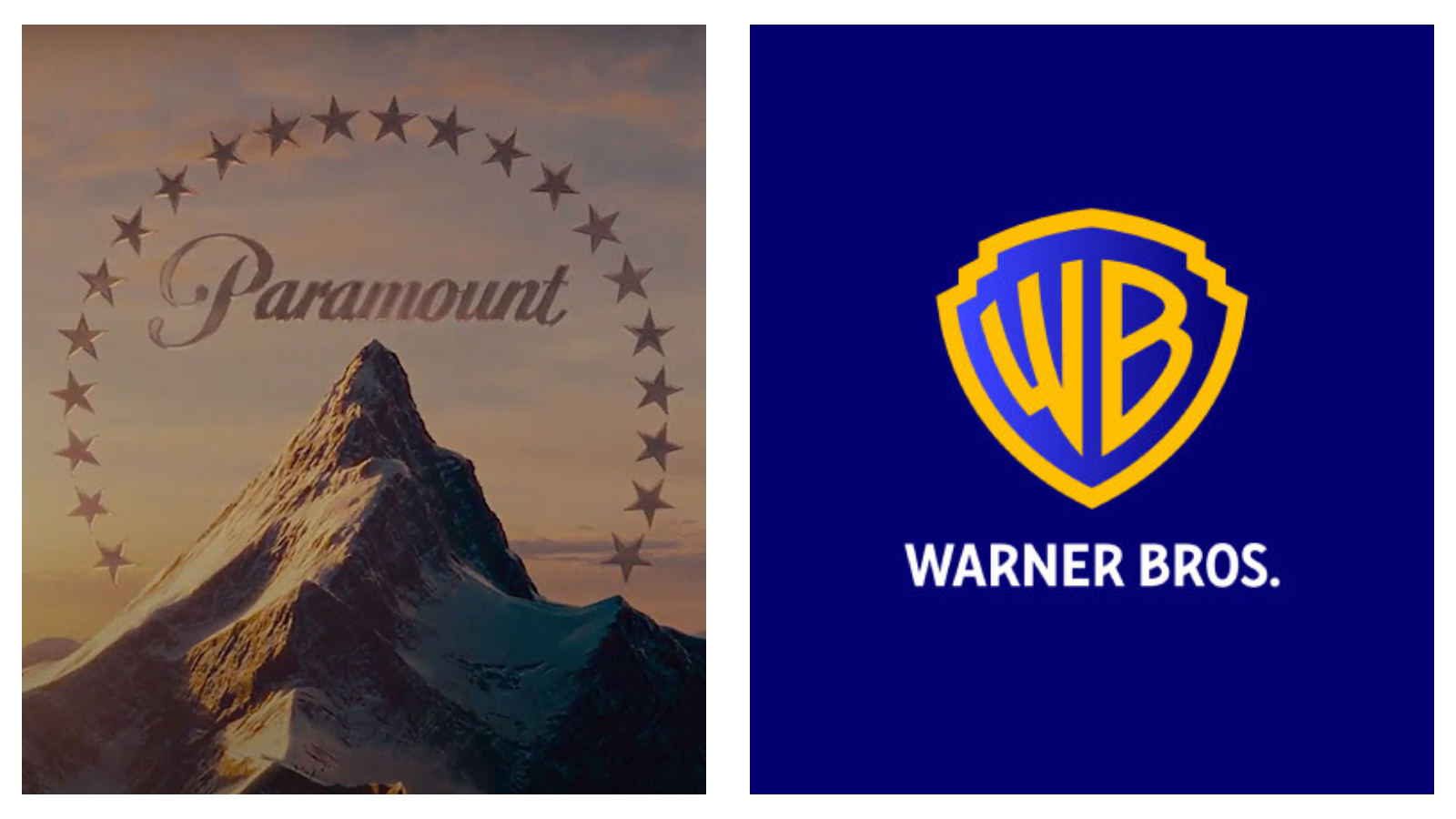
Last week, in a matter of days, Paramount usurped Netflix to become the party in waiting to purchase Warner Bros.
A deal worth $111 billion proved too much for Netflix, which only wanted Warner Bros. and HBO, rather than the entire Warner Discovery media empire.
Film News Blitz’s Dan Lawrence looks into the fresh fears surrounding Paramount’s takeover.
Paramount win Warner Bros. with ‘superior’ bid
Guilds, cinephiles and other critics were fearful that Netflix’s acquisition of Warner Bros. and HBO would result in a dilution of jobs in the industry and destruction of theatrical releases.
But, after a months-long battle, Netflix has walked away from its $82 billion deal, refusing to match Paramount’s “superior” $111 billion bid to acquire the entirety of Warner Bros. Discovery.
“The transaction we negotiated would have created shareholder value with a clear path to regulatory approval,” Netflix co-chief executives Ted Sarandos and Greg Peters said in a statement. “However, we’ve always been disciplined.”
“This transaction was always a ‘nice to have’ at the right price, not a ‘must have’ at any price,” they added.
What went wrong for Netflix?
Despite being in a strong position for months, Netflix ultimately fell to political pressure.
Paramount Skydance overlord David Ellison and his mega-rich moneybags father Larry are sympathetic to the current administration in the United States, and President Trump turned the screws on Netflix in the build-up to the tide turning away from the streamer’s favour.
Trump used his Truth Social platform to call on Netflix to fire board member and former U.N. ambassador Susan Rice, a Democrat, or face “consequences.”
The MAGA movement was against Netflix, and the Department of Justice had also opened an anti-trust investigation into the streamer’s deal, talking to cinema owners, filmmakers and producers across Hollywood to inform its review.
These are the type of political pressures that can change matters, especially in ‘the land of the free’.
The fears over Paramount buying Warner Bros.
A Trump-leaning media conglomerate acquiring another media conglomerate is bad news for anyone who is left-leaning, especially with CNN in play.
Trump has been a vocal critic of CNN for some time, but if Paramount’s deal goes through, it will become a news network he can apply some influence on.
There were talks last year that Paramount was moving ahead with Rush Hour 4 at Trump’s behest.
A major Hollywood studio greenlighting state-backed films isn’t a good look.
Beyond the political ramifications, the fears that hounded the failed Netflix bid are still at play here.
“Different bidder, same anxiety,” a theatre exec said told The Wrap.
“Maybe we don’t have to deal with Netflix making sudden promises to go back on everything they’ve ever said about shorter theatrical windows, but I think nobody in our business believes that we’re better off with Warner Bros. under the ownership of any other major studio.”
Consolidation of two major studios means job cuts, fewer buyers for projects and less competition.
Moreover, it leaves Warner Bros. a legendary studio with arguably the greatest collection of IP going, failing to stand on its own two feet, especially after a strong year at the box office in 2025.
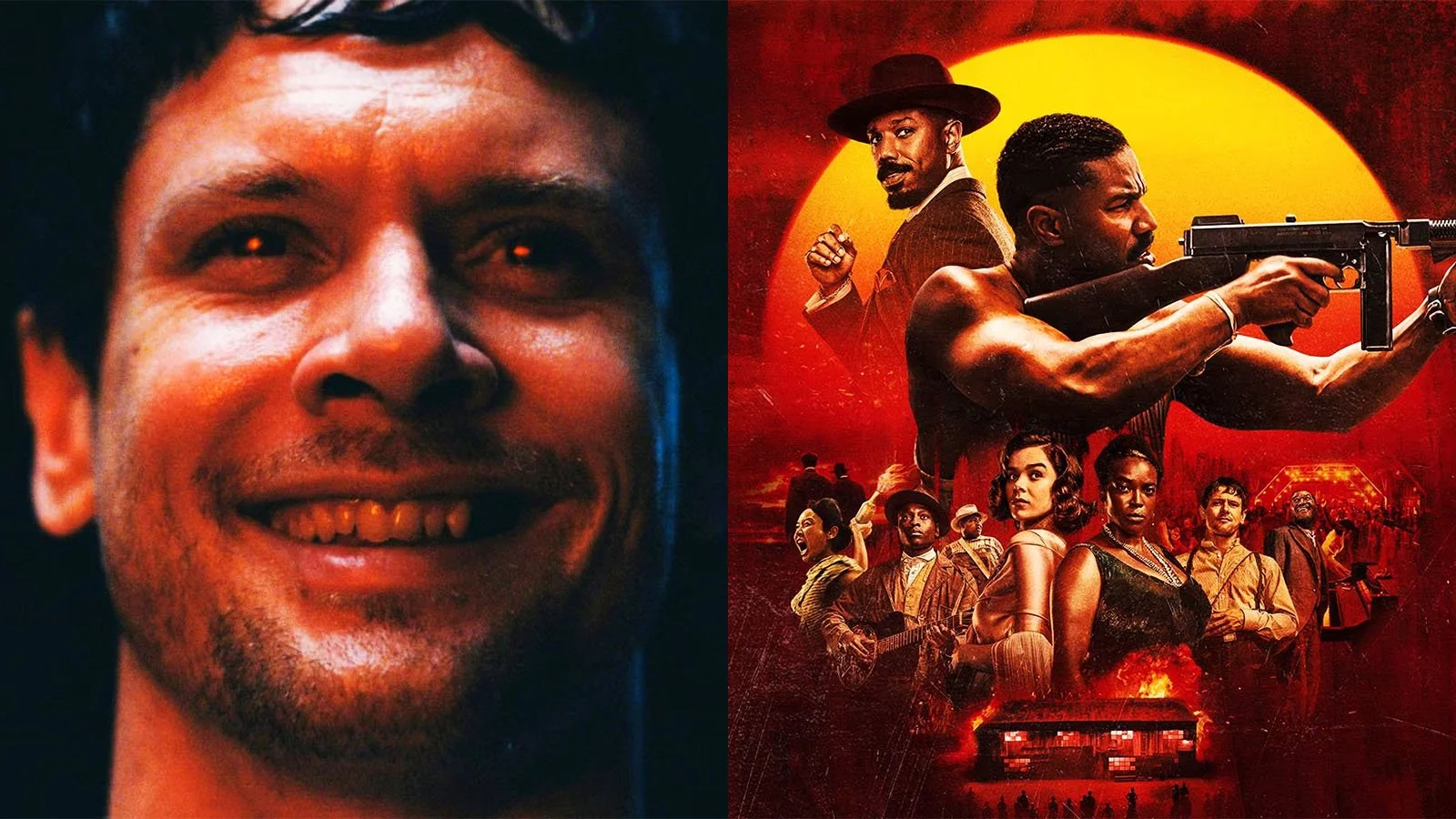
Warner Bros. was brave in 2025, and that’s why two of its films, Sinners and One Battle After Another, will battle for best picture this year.
Paramount Skydance has its own massive debt and will be saddled with more to acquire Warner Bros. Discovery, too.
Does that mean less risk-taking and fewer movies in general?
As an example, the Disney Fox merger saw 20th Century Studios go from over a dozen cinema releases a year to five or less.
It’s safe to say it would be better if Warner Bros. Discovery just continues to go it alone.
This could still happen.
Regulatory hurdles ahead
Upon news of Paramount’s winning bid, California Attorney General Rob Bonta wrote on social media that, “These two Hollywood titans have not cleared regulatory scrutiny – the California Department of Justice has an open investigation, and we intend to be vigorous in our review.”
The deal will also need to pass muster with European regulators and the US DOJ, although the political allegiances on the latter will be helpful in this regard.
Theatre owners, labour unions, nonprofits and other affiliated entertainment businesses are voicing strong opposition to this deal, but will that be enough?
No doubt we will see a few quips to make light of this depressing drama during the Oscars.
On the bright side, as studios consolidate and amass debt, 2026 has seen the likes of YouTuber Mark “Markiplier” Fischbach fund and create Iron Lung for approximately $3 to $4 million, before grossing nearly $50 million.
So, if the studios don’t want to be brave, audiences will simply follow their favourite independent creatives instead.
READ NEXT – Box office: ‘Send Help’ and ‘Iron Lung’ prove original IP is back