Controversies often riddle the Oscars, but there are more troubling issues than a slap or a wrongly announced winner.
This year’s Academy Awards felt fairly safe compared to previous years, but some of the show’s biggest problems still persist underneath the skin of all its glam.
Film News Blitz’s Oscar Trinick details his gripes with the biggest night in film.
Underrepresented demographic
There are over 11,000 members in the Academy, most of whom are notoriously lazy, never bothering to watch all the films in their respective categories when voting.
Even when it comes to nominations, it is always dominated by a predictably Western image or a Western view of the international picture.
Despite the Academy’s commitment to a more diverse set of membership, there are still perpetual issues.
As of a few years ago, roughly 67% of all voters were male, with 80% of all members being white, meaning there is still an underrepresentation compared to the U.S. population, and it continues to show in the selection of choices and winners.
READ MORE: 2026 Oscars: One Battle After Another wins best picture

International restrictions
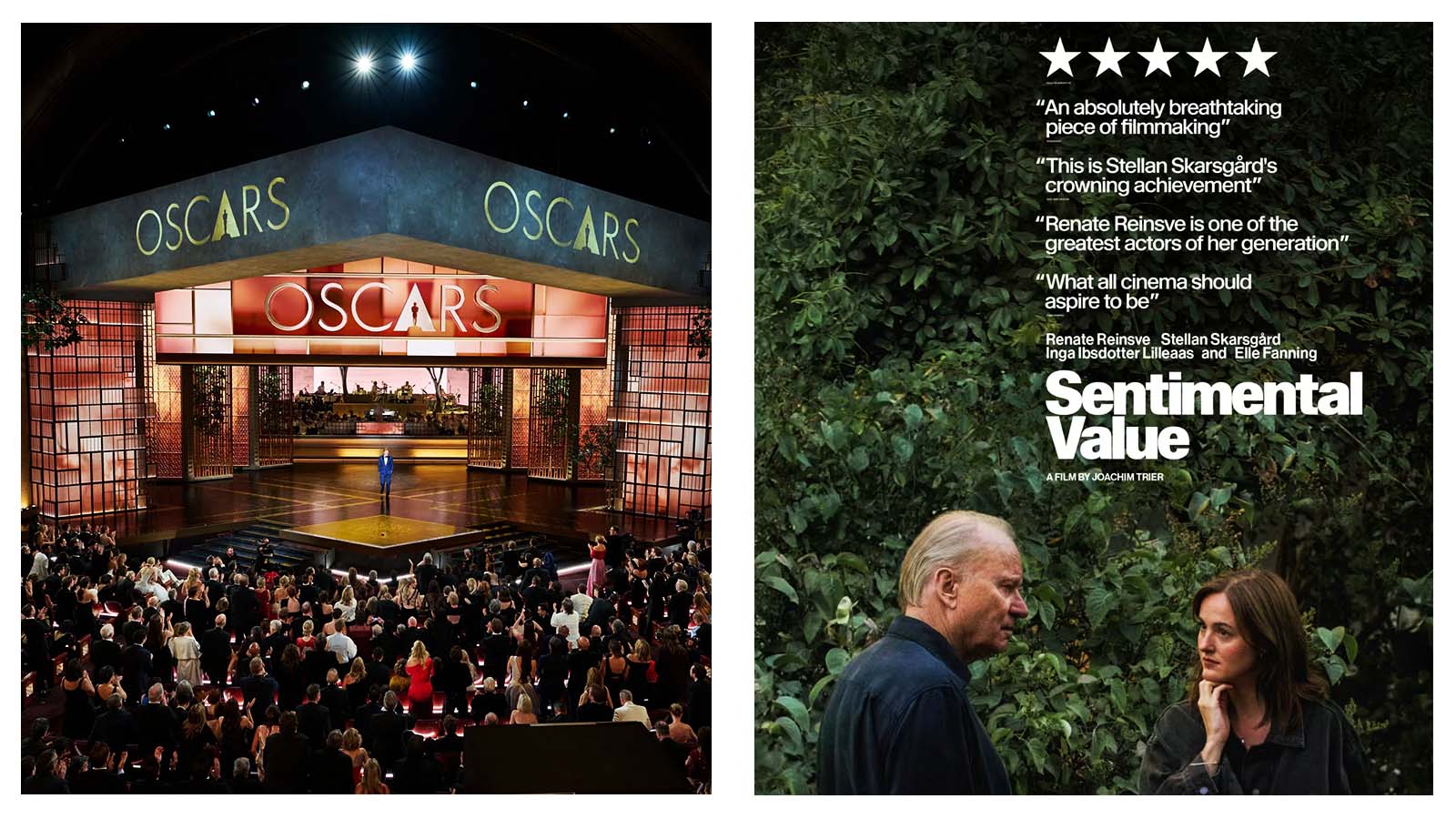
Year on year, we’re lucky if we get more than two international nominees in the coveted Best Picture category, this year being Sentimental Value and The Secret Agent (my personal favourite of the 10).
The vast array of superior international work, in comparison to the majority of the Western nominees in the category, is staggering.
Some of my favourites from 2025 included the likes of Jia Zhangke’s Caught by the Tides, Lav Diaz’s Magellan, Kiyoshi Kurosawa’s Cloud, Albert Serra’s Afternoons of Solitude, Neo Sora’s Happyend, Dea Kulumbegashvili’s April and Rungano Nyoni’s On Becoming a Guinea Fowl, all of which are international features.
Whilst I understand that my taste hardly makes up any form of total opinion, the love and admiration for such films does exist in some way or another out there.
Whether that requires the Academy and distributors to amplify such cases, it’s clear something needs to happen.
Beyond the lack of care for international performances and technicalities in the big hitters, the Oscars’ one film per country rule in the International Feature Film category is entirely barbaric.
The submitted film must have also been released in its territory during the eligible period for at least seven consecutive days.
Maybe the most backwards rule is the disqualifying of any co-productions where the majority of the crew and funding are from the same country, disregarding the idea of global filmmaking.
Rather than creating a diverse list of different countries, we end up with a restricted list that leads to films being left out of the spotlight, as nations are forced to cut their hopes to a single film.
Changes need to be made to pull back the labels of this category, as a film is submitted under the name of only one country, making the other countries involved all but irrelevant.
Take the UK winner from the 2024 Awards, Jonathan Glazer’s The Zone of Interest. A film directed by an Englishman, which was filmed in Poland, and whose dialogue is spoken almost entirely in German.
It feels completely wrong that this film went to the United Kingdom, rather than the global filmmaking team that it actually represents, wiping out their relevance, and confining international cinema to chains of Western law.
YOU MAY ALSO LIKE: ‘Peaky Blinders: The Immortal Man’ review – A masterful finale
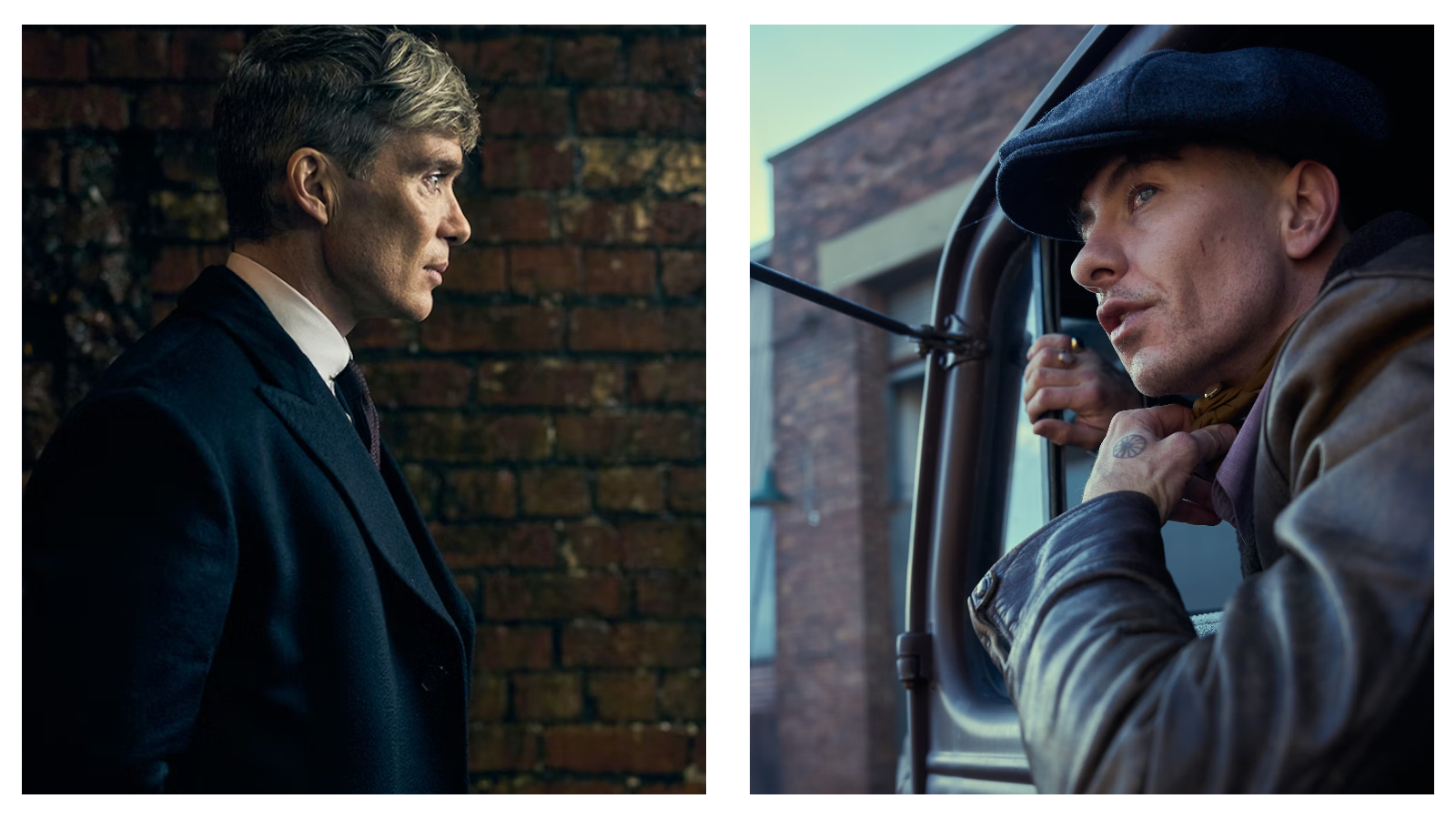
Cillian Murphy as Tommy Shelby and Barry Keoghan in Peaky Blinders: The Immortal Man.
The obsession with the flashy, rather than the detail
The Academy’s most egregious and unsolvable issue lies outside of the major categories, but rather within the tech and style awards, such as production design, sound, makeup, costume, etc.
There isn’t anything inherently wrong with the rules of each of these, but rather an underlying flaw with the way voters observe and judge the capabilities of each.
This is actually why it’s so tricky to change, because it’s more a problem with perspective rather than criteria.
This is where the voters become the laziest of all.
Within these categories, the members become obsessed with what is largest or most obvious, as a means of assessing what they consider good.
It is never what has the best of anything, but rather what has the most of something.
Take production design, for example, a category which is nearly always won by the film with the largest and grandest sets, never won by the film whose production is essential to the core of the film.
Something whose details play an integral part in its storytelling and visual language; this could be big or small.
I think Wicked is a good example of this.
The same goes for the makeup and costume categories. My point being made clear by the Frankenstein sweep in these categories, it’s never about essential detail, only flashy show.
A similar thesis can be applied to sound and editing as well.
This year’s F1 sound win showcases that the voters seem to only care for the loudest film, rather than a film that utilises its sound in a manner that could be quiet or integral to the way it formalises its narrative.
At the 2023 awards, Everything Everywhere All at Once won the award for editing, despite it being plagued by flashy, rapid cuts between its worlds, as to something germane.
It won because it had the most obvious editing tricks, a tool that only came across as cheap, but clearly… not to the voters.
READ NEXT: Film news: ‘Seance on a Wet Afternoon’ lands Rachel Weisz