We’re only a third of the way through the year, but there are already a number of 2026 films that have flown under many people’s radars.
Films such as The Drama and Project Hail Mary have dominated discourse so far this year for the general audience member, but there’s a whole other world out there.
Film News Blitz’s Oscar Trinick gives us his picks for the most under-appreciated films of the year so far.
OBEX
For the most part, video games that get adapted into narrative feature films rightfully get the stick they deserve.
For one, it feels incredibly futile to extend an already creative IP into something that doesn’t offer anything of value in the form of a movie.
The Mortal Kombat and Super Mario films are good examples, but the Silent Hill and Resident Evil films do somewhat break that mould, leaving that argument with a few exceptions, but Hollywood is producing so much of that lifelessness that perhaps it is only fair.
On the other side of the pond, films that deal with the existence of video games in their films as a means of escapism can be one-of-a-kind.
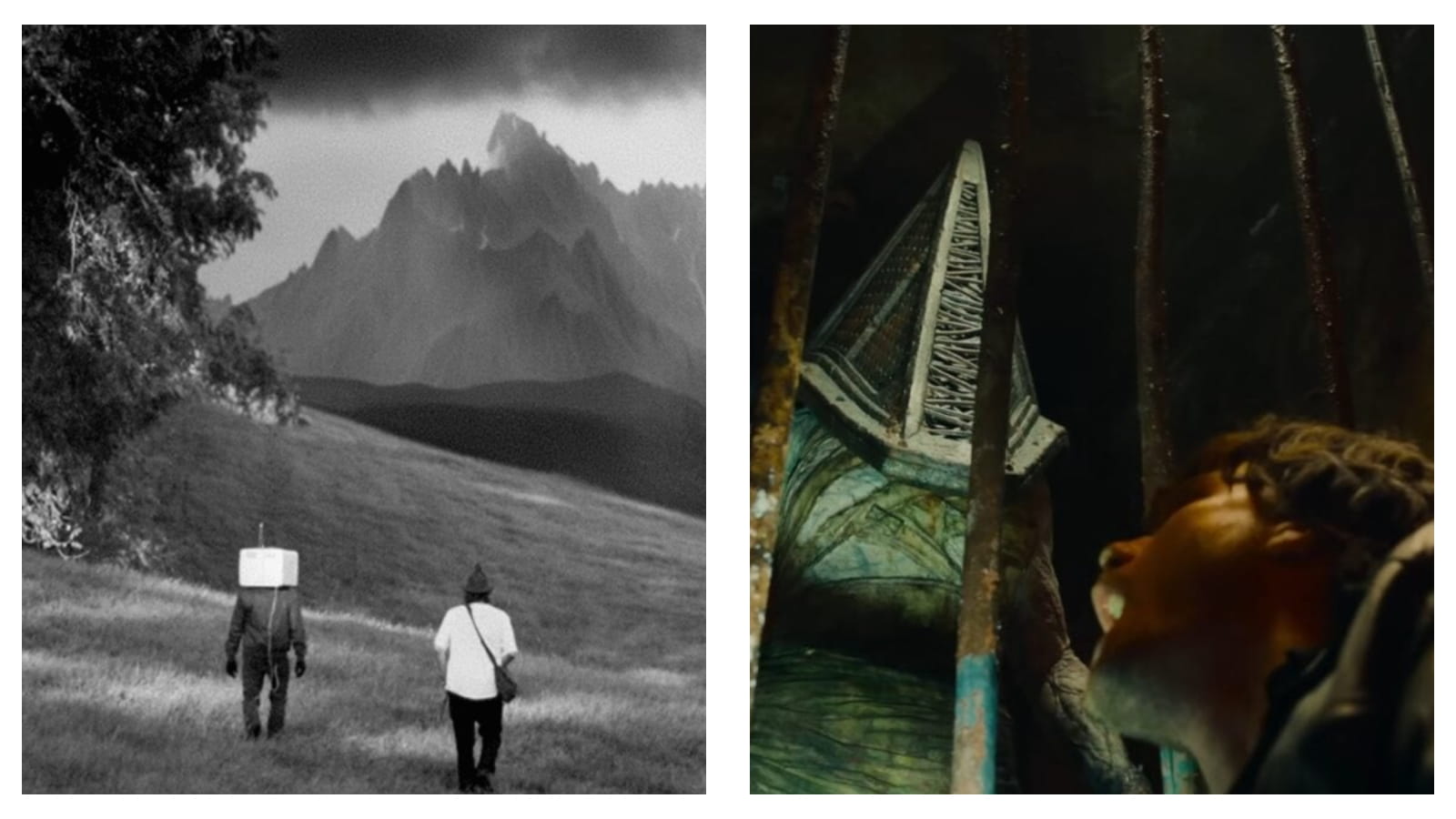
Albert Birney’s OBEX is just that.
The film follows Conor Marsh, played by the director, Birney, as one day, he begins to play a new kind of video game by the name of OBEX.
When his dog goes missing, the line between reality and video game fiction fades, as Conor journeys into a world of dark fantasy.
READ MORE: CinemaCon 2026: Announcements from Sony, Warner Bros & Universal
The deeper resonance
What separates films like OBEX from the mainstream idea of video games is Albert’s ability to come to terms with its mystical form, questioning the reality of its world rather than simply being characters in a fictional world.
It’s a film that will leave you staring at the blank screen after it’s over, with the sound of cicadas and the loneliness of shopping like echoes from a time that never leaves you.
There’s a lot to be said about Birney playing the role of both director and lead actor in this, and why so much of this ‘questioning of existence’ works to the extent it does.
A man directing himself into an alternative world of escapism, a film that feels very personal in its specific iconography of sounds and images, and what you’re left with is something genuinely authentic in the whole nostalgic, video game area.
It acts as both an active peer into the past and into a better present. Stellar indie work.
Return to Silent Hill
On the other side of the pond, we have the more literal video game adaptations, in which the Western world has now reduced them to nothing more than shameless cash grabs that are too afraid to explore beyond their own brand image.
Christopher Gans’ Return to Silent Hill provides a perfect escape from that common judgment.
I’m a big fan of his 2007 adaptation of the acclaimed horror game titled just Silent Hill, in which he employs a level-like aesthetic to his storytelling, that bridges a form between both art forms.
On top of that, there’s a wicked sense of digitalisation in his filmmaking and visual effects, which serve their duty through uncanny imperfections.
Return to Silent Hill employs such trademarks but in a manner that feels distinct to the 2020s rather than being stuck in the 2000s.
The digital gore and wild mix of creatures, devoid of practicality, update this world for now, without being so distant from the original.
Further background
This film, being Gans’ return to the franchise, is a loose adaptation of the 2001 game Silent Hill 2.
I like how, apart from the town itself and a few creatures, this film acts on its own two feet in terms of functioning characters and story.
Gans doesn’t feel the need to retreat back to characters of the first two official instalments, after MJ Bassett’s 2012 Silent Hill: Revelation 3D.
Whilst being an adaptation, its worthiness is very much earned in a way that Gans is aware of the contemporary status of video game movies.
He employs their uncanny likeness and nearly futile recreations as a point in itself.
Return to Silent Hill is a video game adaptation that bridges this alternate existence and literalism in a way that flies very close to the sun, and clearly, for many, too close to the sun.
Its provocations run a tight line, but I think it works to striking effect.
The film’s wonderfully textured digital images are both distinct and odd. In a world of video game adaptations that struggle to justify a reason for their existence, Gans does just that.
Two Prosecutors
Historical war-time dramas are the kind of genre dominated by the yearly WW2 British dad flick that churns out the same formulaic shlock we’re so used to now.
Ukrainian director Sergi Loznitsa’s film Two Prosecutors occupies a space between the world wars, in 1937, amidst Stalin’s reign, a newly appointed prosecutor for the USSR is made aware of alleged corruption in the Secret Police, taking the investigation into his own hands.
Whilst the culmination of the film’s message is neither revelatory nor completely shocking, for most of its runtime, Two Prosecutors operates in a space that few of these mainstream dramas dare to operate: in a form of slow cinema.
This film is at its best when it overindulges in the procedures of our protagonist, Kornev.
The way we watch every prison path be walked, every door unlocked, opened, closed and locked back again.
The opening of every briefcase, the removal of its contents and closure again – The film lulls you into a false sense of normality and routine so that its closing portions strike a major difference when all of these procedures come to an end.
Loznitsa breaks down this uncanny schedule by employing its own tactics, and the final result is quite satisfying, in all of its fear-driven politics.
READ NEXT: Film news: F1 returning to the big screen in ‘Ocean’s 11’ prequel