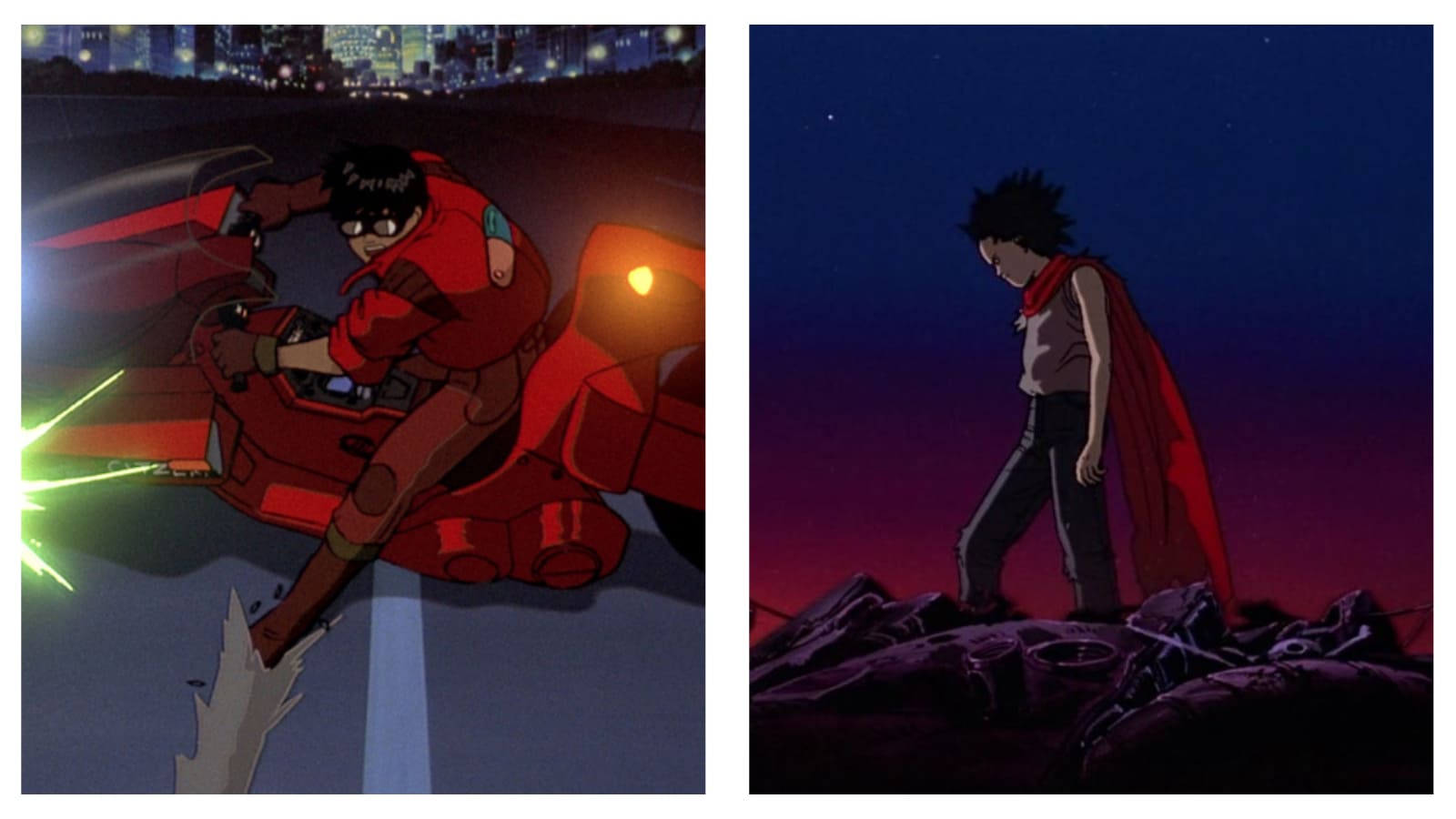
Released in 1988, Katsuhiro Otomo’s cyberpunk masterpiece ‘Akira’ still has people jaw-dropped by its existence, its hand-painted images, and iconic bike slide.
38 years on, the film is currently going through a cinema re-release in the UK, with many experiencing it for the first time on the big screen.
Film News Blitz’s Oscar Trinick reviews one of anime’s most celebrated works of art.
A future now in the past
Akira is based on director Katsuhiro Otomo’s own manga, released in 1982, six years prior to this film’s existence.
The film is set in a dystopian Neo-Tokyo in the year 2019, following a world war that was started by a sudden mass destruction of Tokyo on July 16, 1988.
The present version of this world is home to corrupt politicians, gang violence and anti-government protests.
The film follows the leader of a biker gang, Kaneda, as one of his friends, Tetsuo, gets turned into a rampaging psychopath as they uncover a secret military project.
Otherworldly craft
While Japanese animation at the time (anime) was known for its handcrafted images, Otomo and his team took this to a whole other level.
More than 160,000 individual animation cels were made for this film, accompanied by a 24 frames per second rate, meaning that the motion of the images was incredibly fluid.
It doesn’t even take facts such as that to be stunned by the quality of its craft, though; the images speak for themselves.
The way the city landscapes shift across the backgrounds of each image, the detail and vibrancy of its cyberpunk world immerse in a way that little other animation, let alone anime, has done since.
In such cases, though, Akira serves as much more than a display of technical profundity; it is a work of rigorous discourse on post-war Japanese politics that has more to offer than solely human artistic and technological advances.
Which seems to be more of an obsession amongst contemporary animators, whose rhetoric gets’ pretty images and strong storytelling mixed up.
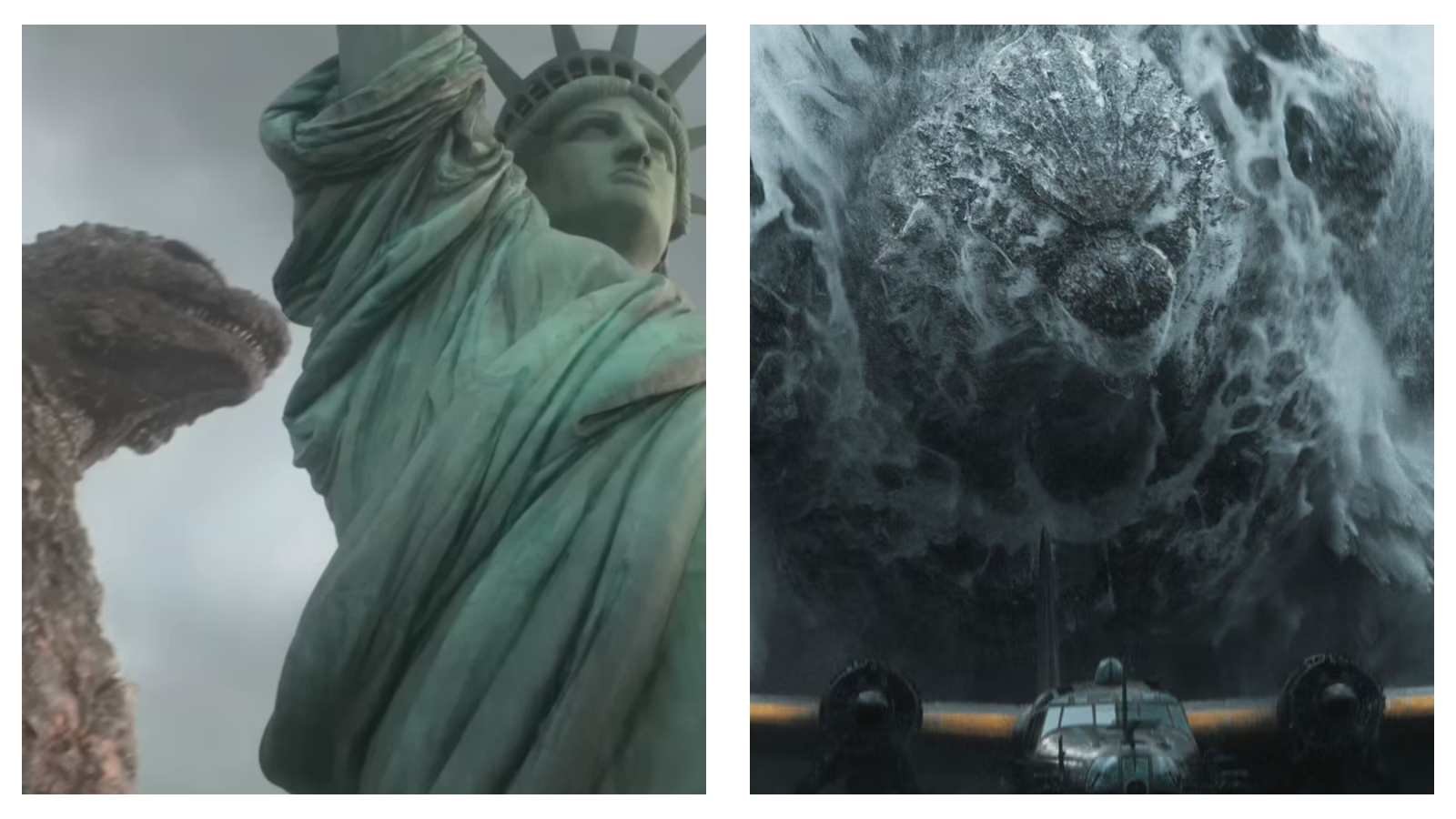
READ MORE: First teaser for ‘Godzilla Minus Zero’ brings threat to New York
A landscape of beauty and terror
Akira juxtaposes the beauty of its form with the grungy, hard politics of such a devastated dystopia.
The film’s obsession with the metal of its world and its inextricable link to the film’s horror acts as an exaggerated transformation of a country in the fallout of mass change.
Leading up to the 70s, Japan underwent a vast economic transformation, as industrialisation took over, and it tried to catch up with the Western world of capitalism.
Akira, however, is a quite cosmic portrayal of Japan’s decline from its high-speed economic growth, as the 1973 oil crisis in the country saw its industrial world collapse and economy stall.
Visual brilliance through political commentary
Akira is stunning, but its masterpiece status is earned in its ability to come to terms with a country now devastated by its own capital greed, where psychics reign, and new beginnings only exist in mass destruction.
A world where the price is paid for melding flesh and metal together, a Japan that is still feeling the aftershocks of nuclear levelling, where neon lights and debris litter every street.
A film so at one with the economic fallout of its own country that it has no choice but to peer into a future of complete annihilation and overwhelming violence, as darkest nightmares become tangible.
Iconic influences
Despite it having obvious influences in the form of 2001: A Space Odyssey and Metropolis, there is still nothing like this film.
It takes the concept of futurism and welds it into a late 20th-century fabric of 21st-century post-industrial hell.
In particular, I’m deeply fascinated by Otomo’s commentary on the perpetuity of leadership changes that are ultimately little different from the last, within this.
He presents a military leader who wants to overthrow the capital overlords, who presently reign over the bottomless skyscrapers of this city.
A shift from one fascistic system to another, as protestors and biker gangs are killed under Neo-Tokyo’s light for all to see, but fear still dominates all.
A work of unfortunate contemporary relevance, as old sci-fi ideas are transformed metaphysically with hand and metal, into a piece of undeniable magnitude.
Ultimately, a timeless work of art.
READ NEXT: ‘The Drama’ review: Kristoffer Borgli’s letter to unconditional love