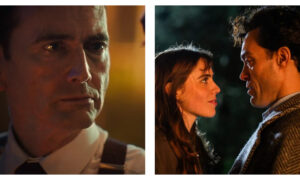
In an era dominated by sequels and cinematic universes, the success of movies such as Oppenheimer in 2023 punched through the noise, exposing the creative standstill shaping modern Hollywood, writes Film News Blitz’s Francesca O’Callaghan.
Oppenheimer, the three-hour historical drama about the inventor of the atomic bomb, became a global box-office sensation, with 100 million tickets sold, in the age of caped crusaders, fictional universes and repurposed intellectual property (IP).
This becomes crystal clear in its irony when considering that its director, Christopher Nolan, was one of the few auteurs who unintentionally accelerated Hollywood’s engrossment with franchise filmmaking in the first place.
The rise of the Hollywood franchise
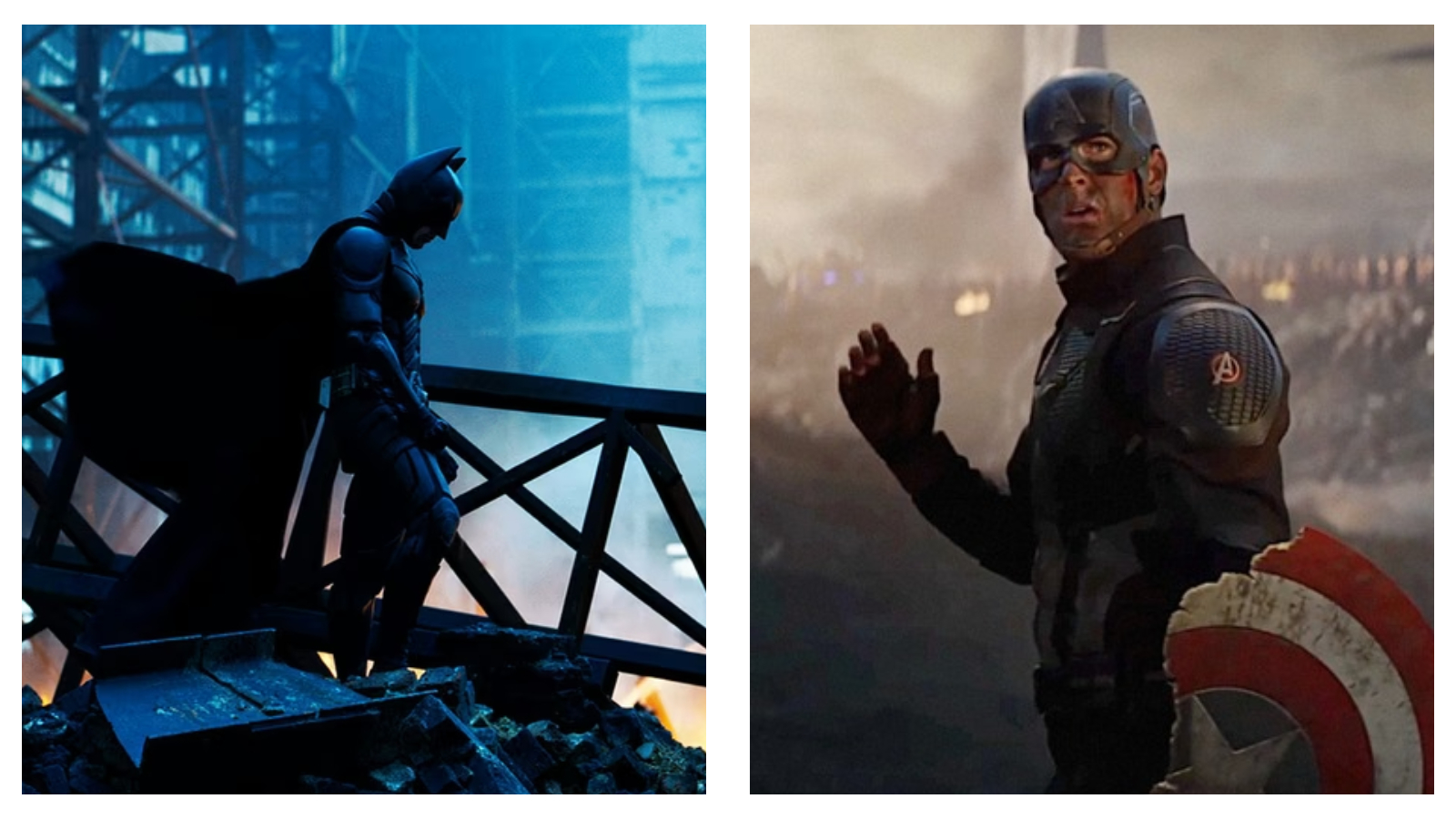
When The Dark Knight became the highest-grossing film of 2008, it did more than redefine superhero cinema.
It demonstrated to studios that audiences would frequently come back to recognisable brands if they were crammed with enough scale and admiration.
The lesson Hollywood absorbed was not that auteur-driven filmmaking could still thrive within blockbuster culture, but that familiarity itself had become the industry’s safest investment, accelerating a shift from originality towards IP.
Once upon a time, studios didn’t put all their eggs in one genre but instead across a variety of projects: smaller dramas, mid-budget thrillers and occasional blockbusters, thereby sustaining both creativity and profitability.
Today, rather than financing ten modestly budgeted films, studios increasingly pour hundreds of millions into a single franchise.
A strategy exemplified by Avengers: Endgame, which reportedly cost around $400 million to produce, yet returned approximately $2.8 billion at the global box office.
Why audiences keep choosing familiarity
Between 2020 and 2024, franchise films dominated the highest-grossing releases, while streaming platforms dug their heels in on adaptations of novels, comics and video games.
The Last of Us, starring Pedro Pascal and Bella Ramsey, transformed a PlayStation game into one of the most-streamed shows, with approx 37 million global viewers per episode.
Bridgerton’s four seasons on Netflix showcased how literary worlds could be continuously reproduced in short periods of time for audience entertainment and demand.
As Martin Scorsese famously argued, many modern franchise films resemble “theme parks” more than cinema.
His criticism was not merely aimed at superheroes themselves, but at the increasing standardisation of filmmaking.
Marvel productions, for example, often share comparable cinematography, colour grading and heavily CGI-driven action sequences.
Different characters occupy different worlds, yet the film’s aesthetics are indistinguishable from one another.
The disappearance of originality
Quentin Tarantino, director of movies like Pulp Fiction and Kill Bill, observed that audiences no longer attend Marvel films for actors, but for the superheroes.
Captain America is the star, not Chris Evans.
In previous decades, studios built films around actors whose styles carried significant cultural weight: Tom Cruise through his death-defying stunts, Denzel Washington by mastering the “everyman” and breaking the barriers of black stereotypes, or Tom Hanks, who morphed into each of the characters he depicted.
The irony of Hollywood’s IP fixation is that many supposedly original stories have drawn upon existing archetypes.
For example, Harry Potter and the Philosopher’s Stone borrows from Arthurian mythology, fantasy epics and the hero’s journey popularised by Star Wars.
What matters is not whether narratives repeat themselves, but whether filmmakers reinterpret them in meaningful ways, otherwise they risk turning nostalgia from an artistic tool into a box office draw.
The future of Hollywood cinema
Platforms such as Netflix and Apple TV+ increasingly finance projects that traditional studios reject, yet they also encourage audiences to consume films at home rather than in cinemas.
Directors, including Martin Scorsese and David Fincher, now depend on streaming services to fund ambitious original work.
Audiences may continue buying tickets for mirrored universes, but recurrence inevitably diminishes impact and can begin to feel like cultural deja vu.
Perhaps Oppenheimer resonated and became popular because it disturbed that cycle, with its success reminding audiences that ambitious, auteur-led cinema can still command global attention.
READ NEXT – Hollywood vs Britain’s film industry: One question over cinema’s future