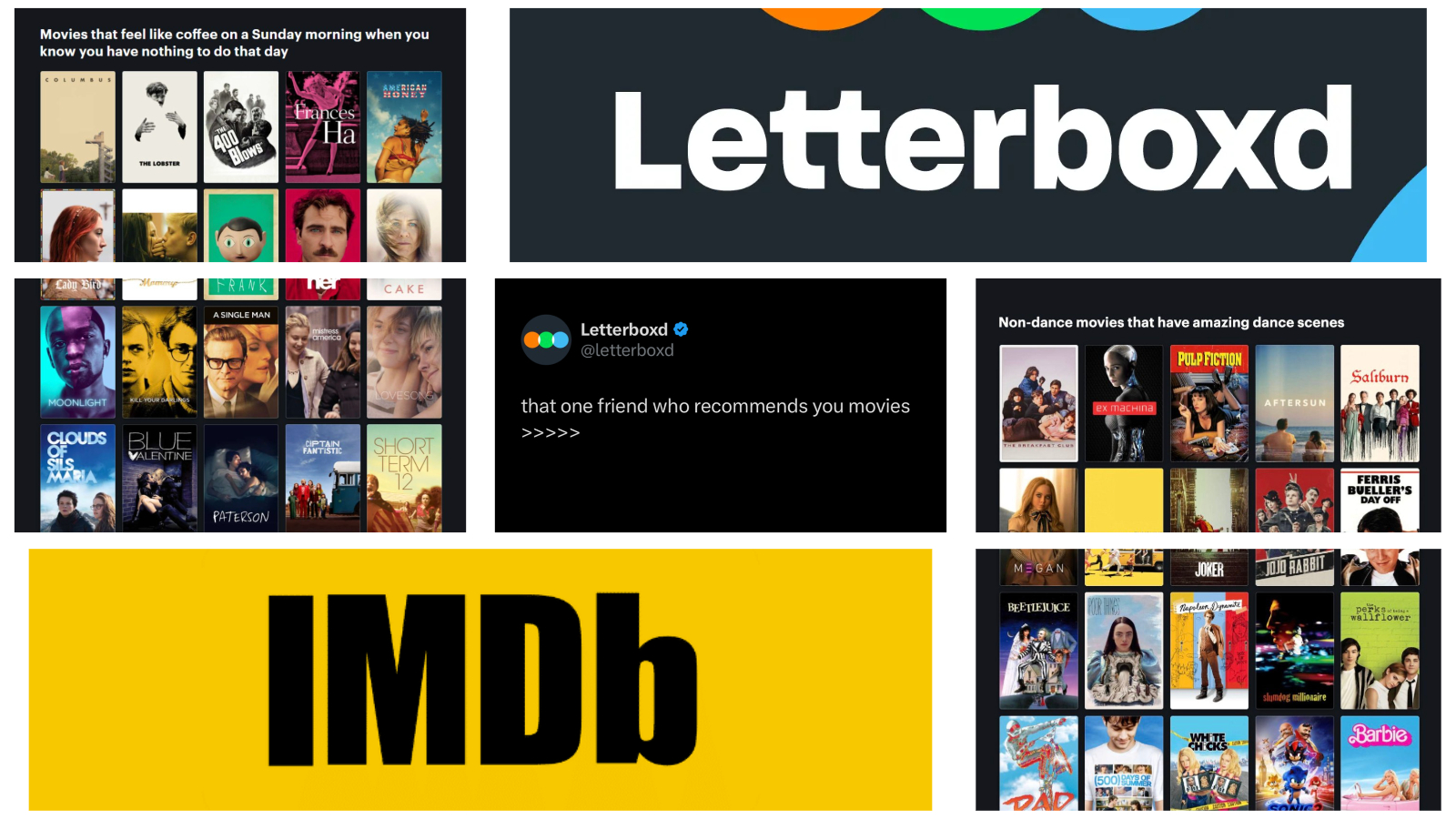
From viral reviews to endless watchlists, Letterboxd has become one of the most influential platforms in modern film culture.
What began as a simple film diary has evolved into a social network for movie lovers, with millions of users logging, rating and reviewing everything from Hollywood blockbusters to obscure independent releases.
As younger audiences increasingly turn to online communities for recommendations, Film News Blitz‘s Jessica Spilsbury explores whether Letterboxd has become the new IMDb for Gen Z.
What exactly is Letterboxd?
For those unfamiliar with the platform, Letterboxd allows users to rate films, create lists, write reviews and track everything they watch.
On the surface, it sounds similar to IMDb.
However, the experience feels very different.
While IMDb has traditionally been viewed as a database for film information, Letterboxd has become a place where film discussion happens in real time.
A quick glance at the app reveals thousands of reviews ranging from thoughtful criticism to one-line jokes that can receive thousands of likes.
For many younger users, discovering films has become just as important as discussing them.
How are audiences finding films today?
Not long ago, audiences often relied on newspaper critics, magazines or word-of-mouth recommendations.
Today, a single viral Letterboxd review can encourage thousands of people to add a film to their watchlist.
Lists such as “Films Everyone Should Watch At Least Once” or “Best Horror Films of the 2020s” regularly attract huge engagement, while highly-rated films can quickly gain attention across social media.
In many ways, Letterboxd has turned film discovery into a shared experience.
Instead of waiting for a critic’s verdict, users can instantly see what friends, influencers and fellow film fans are watching.
Why does Letterboxd appeal to Gen Z?
Part of the platform’s success comes from how naturally it fits into modern online culture.
The platform has surpassed 28 million users since April 2026, highlighting just how quickly the platform has grown from a niche film diary into a major force within online film culture.
Letterboxd combines elements of social media with film criticism, allowing users to express their personalities through ratings, reviews and carefully curated watchlists.
The platform also encourages participation.
Users do not need professional expertise to share their opinions, making film discussion feel more accessible than traditional criticism.
At the same time, the humour found in many popular reviews has helped attract younger audiences who may never have considered themselves film critics.
Some of the platform’s most liked reviews contain fewer than 10 words.
It is not unusual for a joke review to receive more engagement than a traditional piece of film criticism, reflecting how younger audiences increasingly consume and discuss media online.
The platform’s influence can often be seen in the success of films such as Saltburn.
Emerald Fennell’s divisive thriller generated thousands of reviews, memes and discussions on Letterboxd, helping fuel online conversations long after its release.
Has it replaced IMDb?
Despite Letterboxd’s growth, IMDb remains one of the most widely used film websites in the world.
The site still attracts over 250 million monthly visitors globally on both web and mobile platforms.
Many users still rely on it for cast information, release dates and production details.
However, when it comes to discovering what to watch next, Letterboxd increasingly appears to hold greater cultural influence among younger audiences.
A growing number of films generate discussion on Letterboxd long before they reach mainstream attention, while highly anticipated releases often become major talking points across the platform within hours of release.
The future of film discovery
The rise of Letterboxd reflects a broader shift in how audiences engage with entertainment.
Rather than relying solely on professional critics, younger viewers increasingly value recommendations from communities they feel connected to.
Letterboxd may never replace IMDb as Hollywood’s information hub.
However, for a generation raised on recommendations, algorithms and online communities, it has already become something arguably more valuable: a place where watching films feels social again.
READ NEXT – Film analysis: Underdog films that had nothing but changed everything