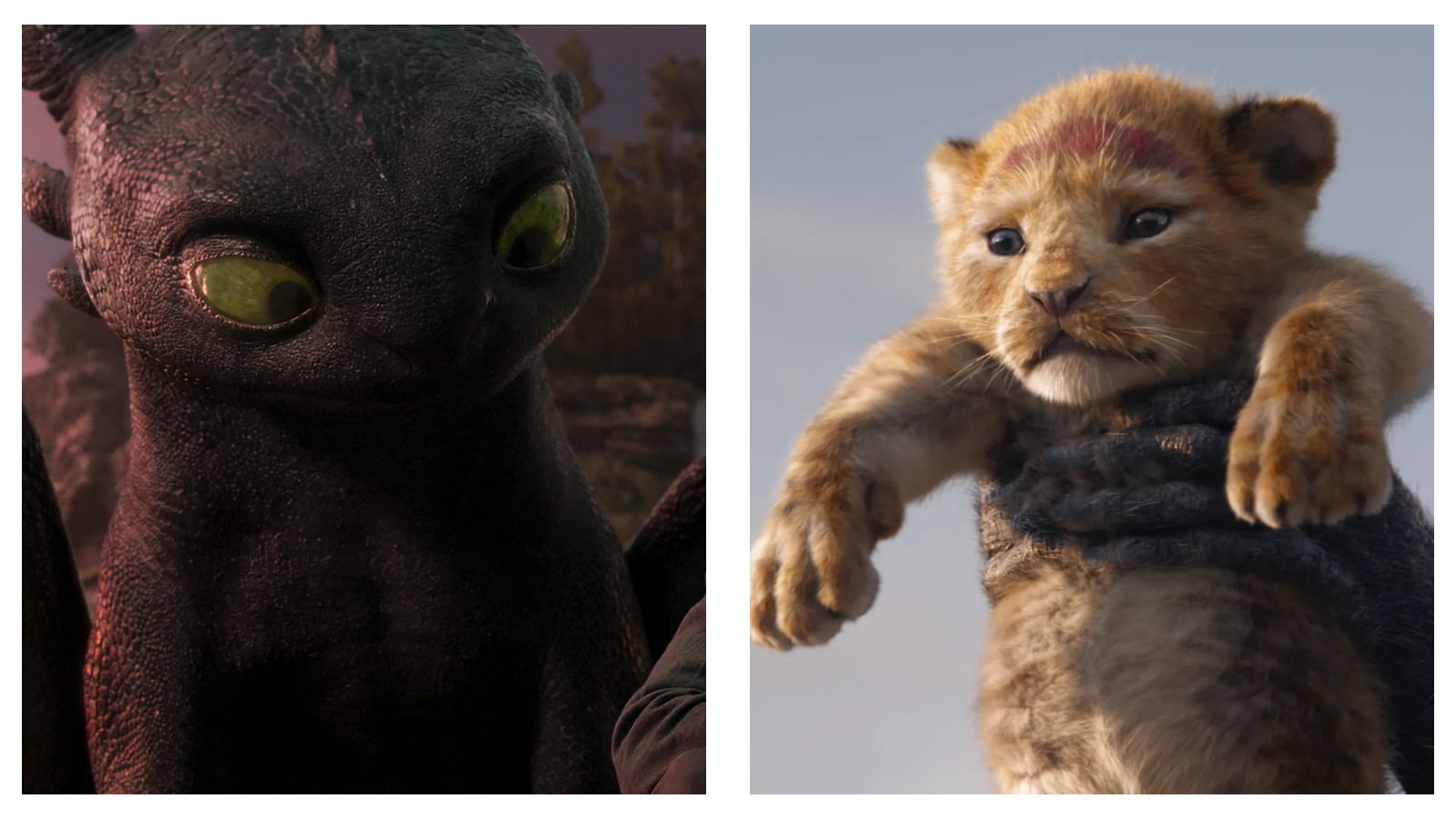
Why do live-action remakes keep happening? Is it nostalgia, a money-making scheme, or have writers simply run out of ideas?
Film News Blitz writer Bella Ford shares her thoughts.
Studios like Disney have been renowned lately for remaking classic stories in live action; a sensible business strategy, as they often perform well at the box office.
Also, the desire for nostalgia and ‘old stories made new’ has never been higher.
The necessity of these remakes is being questioned, however, raising the concern that the writers are losing the unique storytelling elements that made the originals so special.
‘How To Train Your Dragon’
Director Dean DeBlois got criticised for doing a live-action remake of his animated original How To Train Your Dragon, having said in the past that he doesn’t care for remakes or watch them.
Alas, he realised that someone else was going to make one sooner rather than later, and would prefer it if it were him who did it, so he took time and care translating his animated feature into his first live-action film.
“I am not a fan. I continue to not be a fan of live-action remakes because they often miss the soul,” director DeBlois told CBC.
“Too often they feel like they are lesser versions of the animated movie to me”.
Live action backlash
There have been controversies surrounding live-action remakes, like casting opinions or the film not being as accurate as the audience wanted it to be, or vice versa.
The Snow White live-action remake faced backlash for casting a Latina actress in the lead (Rachel Zegler).
Critics claimed that she should not play a character who is referred to as having “skin as white as snow”.
The Little Mermaid cast Halle Bailey as Ariel, with some people being concerned about why they cast a black actress.
The hashtag #NotMyAriel trended, and the trailer got 1.5 million dislikes, alluding to prejudiced views towards the casting.
This discourse wound up on Twitter, and people fought back with the reasoning of how Ariel is a fish, and can swim underwater, who also has a friend who is a crab, so why does it matter what her skin colour is?
Familiar favourites
Since 2014, Disney has released at least one remake a year.
In 2025, Disney’s slate across all of its studio arms included 12 films.
Within the dozen releases, only two weren’t sequels or live-action remakes, with Pixar’s Elio the only original animated movie.
But for the most part, remakes are successful.
They can bring back memories for fans and create new ones; they have the flexibility to adapt and modernise storylines, adding new perspectives to appeal to new audiences while serving nostalgia for the original fans.
Disney seems to have led this trend, but others have begun to follow, including Dreamworks’ aforementioned How to Train Your Dragon remake, which will get a follow-up in 2027.
There’s also the desire to return to familiar favourites, with old Disney classics like The Jungle Book (1967) being remade into a live action in 2016.
People love the chance to tap into their childhood; the remakes often form an emotional connection to the originals, which creates a feeling of comfort and familiarity.
Successful remakes and reimaginings include The Lion King and Cruella, a prequel to the old-school story of 101 Dalmatians.
Running out of ideas?
In 2023, only four out of the top 20 highest-grossing films were based on original screenplays.
In 2022, nearly 75% of Hollywood releases were sequels, adaptations, spin-offs, or remakes.
Disney’s entire 2019 film lineup wasn’t original content, consisting exclusively of sequels, franchise entries, live-action remakes, or Marvel properties.
Hollywood keeps making sequels and remakes because they’re safer and more profitable.
If anyone mentions the names Batman, Frozen, or Star Wars, it triggers instant recognition, so studios are just going to keep making more.
Audiences will keep going to see familiar films.
Sequels, live-action remakes and book adaptations are taking over cinema.
READ NEXT – Film analysis: Have book adaptations taken over the big screen?