Filmmaking as an art form has consistently teetered between clarity and uncertainty; in its most powerful form, a key trait of cinema is that stories aren’t just told, but answers are withheld.
Characters could stare silently out a rain–soaked window, and the scene could end there, unresolved and open to interpretation.
The credits would roll, and audiences would leave the cinema arguing and theorising what the open–ended scene meant for the characters.
The irritation of not knowing and theorising what the filmmakers wanted to convey was part of the experience.
Despite this, many viewers can now argue that contemporary cinema has drifted away from ambiguity, favouring over–explanation rather than interpretation.
Film News Blitz writer Darshan Kaur Gill examines this troublesome trend.
Why modern cinema is avoiding ambiguity
Modern mainstream cinema has increasingly begun to treat ambiguity as an unfinished error.
In today’s films, every plot point is rounded off, and every theme is translated into dialogue to ensure that audiences don’t miss anything when they are haphazardly watching.
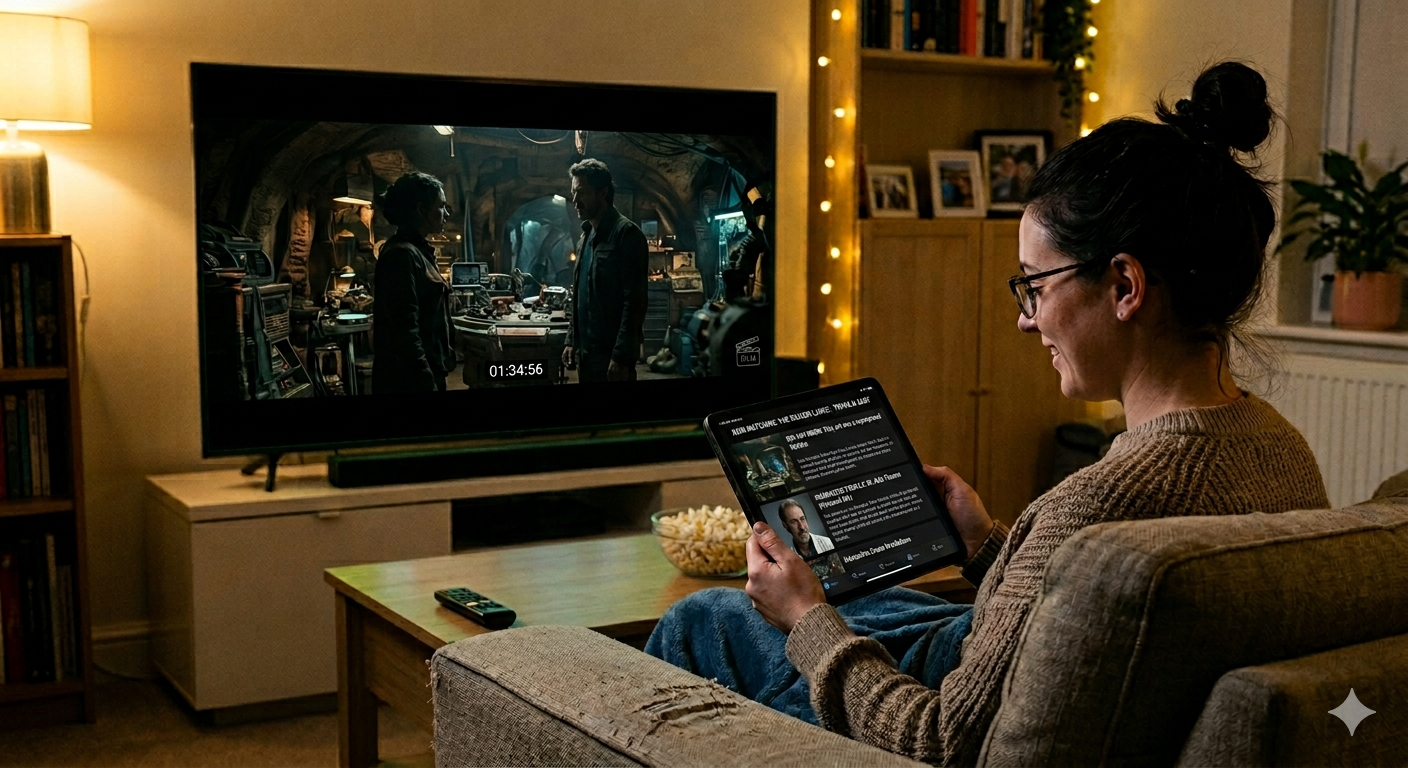
Films are being made to survive second-screen viewing, rather than being made to appreciate the art.
Franchises build entire scenes into the narrative to later support a minuscule plot point, while endings are overexplained so as not to provoke thought rather than prevent confusion.
The end result is a strange paradox where films are becoming bigger and louder productions whilst simultaneously ensuring they aren’t psychologically stimulating.
Contemporary films’ issues are not complex; contemporary cinema is full of timelines, multiverses, and puzzle–box plotting, but complexity is not ambiguity.
Ambiguity requests viewers to confront uncertainty; it is entirely emotional, unlike complexity, which relies on logic.
Classic filmmakers understood this distinction, building entire careers on unanswered questions, weaponised silence, and narrative instability, turning the technique into an art form in and of itself.
Today, studios seem to fear what older directors knew to be true; test screenings reward clarity over purposeful evasion, and streaming platforms optimise retention by following the same structure.
The impact of social media
Social media discourse only accelerates the pressure filmmakers are facing; a film leaving purposeful interpretative gaps leads to immediate demands from audiences for those gaps to be filled, leaving no space for the ambiguity that existed in cinema previously.
Film scenes are now designed for fragmented background viewing, therefore the dialogue must communicate instantly.
Ambiguity resists instant consumption, instead lingering and requiring reflection, another feature that has been destroyed due to the fast pace of social media.
It isn’t the absence of meaning, but rather an expression of the filmmaker’s confidence in the audience’s ability to participate and aid in the creation of meaning.
When every mystery is spelt out for the audience, cinema loses its meaning and the art becomes content.
Perhaps, the death of ambiguity in cinema is the result, not of audiences becoming less intelligent, but of the industry becoming less patient and trusting of it.
READ NEXT – Film analysis: Why betrayal feels so apocalyptic as a teenager in ‘The Edge of Seventeen’