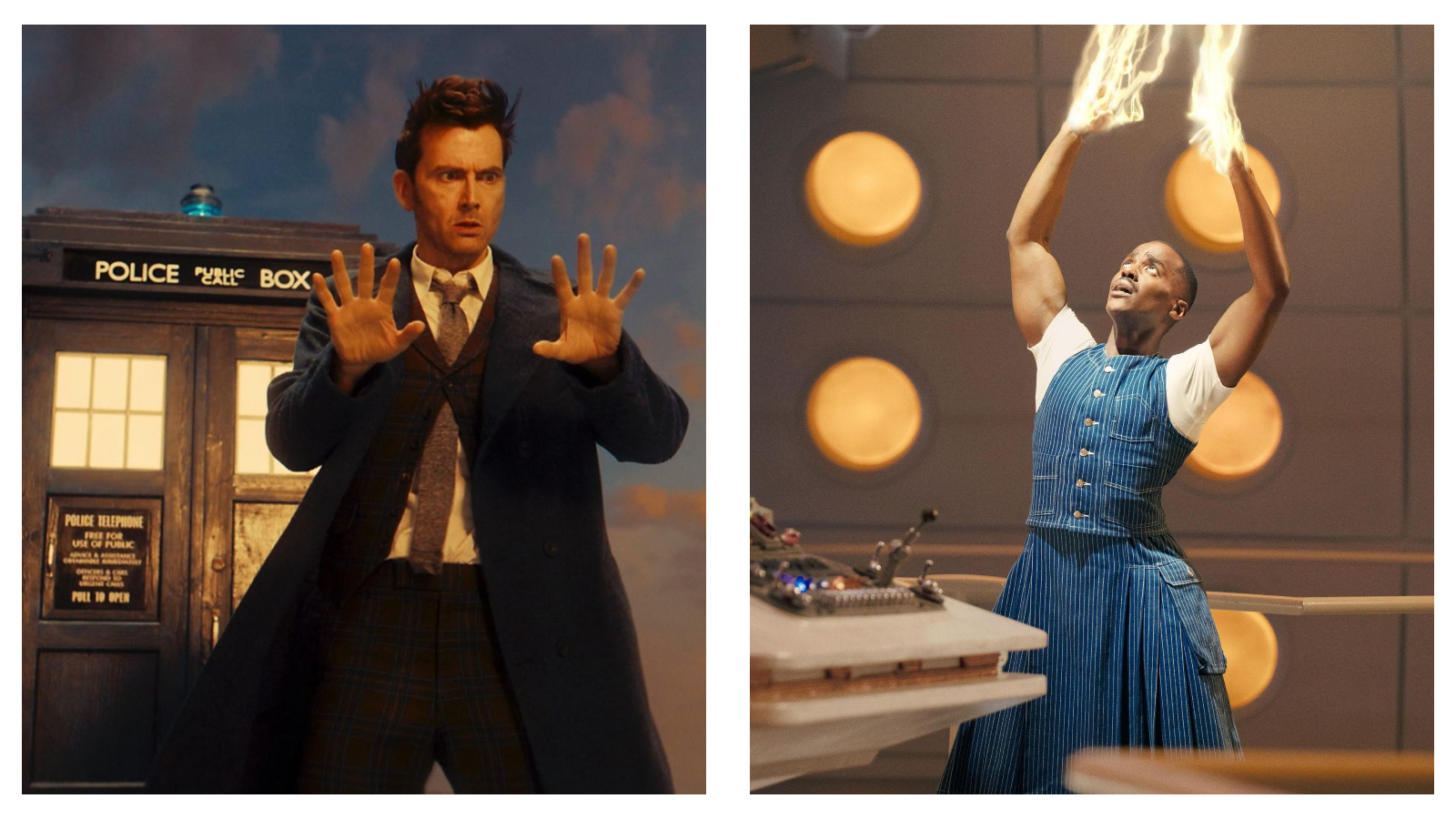
Statements released today by the BBC Press Office and Russell T Davies have announced that the British classic television series Doctor Who will be put on hold, with the 2026 Christmas special also cancelled.
Davies will depart as showrunner, as will the Bad Wolf producing team, and the BBC will put Doctor Who out to tender this year, bringing a new production/writing voice to the long-running show.
A statement from the BBC said: “Doctor Who remains an important part of the BBC and this tender underpins the BBC’s continued commitment to Doctor Who, ensuring audiences will enjoy the show for years to come.”
Davies, meanwhile, said: “And so GOODBYE from me to Doctor Who but HELLO to a big new future for the show, as the BBC announces it’s putting the show out to tender.
“As a result, there won’t be a Christmas Special – we only cooked that up to guarantee a future when no one knew what would happen, but now we do know, there’s no need for it.”
Film News Blitz’s Charlie Gardner reacts to this huge Doctor Who news.
What happened to ‘Doctor Who’?
While the series has been viewed as dwindling in quality and, in a sense, faithful to what made it so good, it is a real shame to see this news from the perspective of a long-term fan of the early-2000s show, much of which was overseen by Davies.
Many British readers will remember at least one episode of Doctor Who that they saw when young, wincing or pretending not to be scared by whatever cheesy monster was hunting the Doctor down. Chances are, their parents will have experienced the same at a young age. Some people may have been hooked instantly, some may have parried it off as nerdy slop (it kind of is, really, in a charming way).
But what does today’s statement say about both the present and future states of Doctor Who?
Davies was involved in Doctor Who’s initial revival in 2005 and was instrumental in the casting of Ninth Doctor Christopher Eccleston, the cool and edgy version of the character that brought the series into the modern era.
He also contributed to the revival’s more memorable story arcs, including companion Rose’s Bad Wolf storyline, which viewers hold as one of the most iconic.
The show then went into stratospheric levels of popularity when David Tennant took over as the 10th Doctor in 2006.
Viewership reached heights seldom seen since, and Davies and Tennant bowed out on a high note on New Year’s Day, 2010.
Stevn Moffat took over as showrunner, with fresh-faced Matt Smith handed the keys to the TARDIS.
The show continued to succeed for a few years until it lost its way slightly in the later Peter Capaldi era, where many viewers struggled to see the Whoniverse’s legacy thrive. Still, there were some decent contributions from Moffat and his successor, Chris Chibnall in there, too.
In 2021, though, Davies was announced to be returning ahead of the 60th anniversary of the franchise, paired with a hefty budget increase as Disney joined the funding in what would be another rejuvenation of the series.
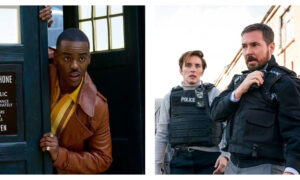
Ncuti Gatwa joined as the show’s first-ever black Doctor, and came with a pedigree of other programmes widely recognised amongst modern audiences, most notably Sex Education.
Gatwa appeared in the final of three 60th anniversary specials that had brought Tennant back as the 14th Doctor.
This revival once again proved unsuccessful, with viewership dwindling and Gatwa leaving the running, regenerating into former companion actress Billie Piper, something that worryingly showed signs that the show might have been desperate to jump-start viewership numbers.
This story was set to be continued and explained in this year’s Christmas special, which has now been shelved.
An uncertain future
It’s clear that the BBC’s decision hasn’t been “taken lightly”, and it’s one they feel is in the best interests of the franchise, one that’s incredibly important culturally to British television.
“We know it will be disappointing for fans, but in order to set the show up for future series, it was decided that rather than bridge the gap with a one off special, we are choosing to push forward to invest in the long-term future of the show which ensures that when the TARDIS lands once more, it does so in all its glory,” the BBC statement added.
It’s not an uncommon process for the BBC to put a show of this magnitude out to tender, normally with the idea that an external producer will come and create a bold new take.
In fact, long-standing medical Casualty was recently put out to tender, but it was BBC Studios who wound up winning the bid.
Doctor Who has been running dry for a while now, and there have been concerns as to the longevity of the characters and the universe that is so special and unique.
Capaldi was a scalp for the show as a high-quality British actor, but it just didn’t hit the mark often enough. The same went for Jodie Whittaker, the first female Doctor, who came in as a great actress with poor writing and direction. Gatwa, in my opinion, was a wasted opportunity.
Doctor Who historically does not have the best budget, and that’s fine, but it feels like the writer’s room got a little bit too giddy with their Disney budget, and the show lost its way as a gritty, down-to-earth (ironically) production that focused on real atmospheric, ‘watching from behind the sofa’ stuff.
After Davies’ difficult second reign in charge of Doctor Who, a new spin on the show was definitely needed.
But it has left a sour taste for modern Who fans to see the show so poorly mismanaged in recent years.
Hopefully, this long-term hiatus and tender process will give the show a new lease of life.
If yet another revival does come soon enough, it’s not easy to say whether it will be up to scratch, but it’s better than blindly repeating past mistakes.
READ NEXT – TV opinion: Our casting call amid potential ‘Doctor Who’ delays