Technology has always been evolving, especially within the film industry, from Technicolour in the 1910s, Dolby sound and IMAX in the 1970s – and now we’re seeing the emergence of AI in the 2020s.
In an age of AI running rampant on social media, it feels only horrifyingly natural that it is beginning to seep its way into the film industry.
It has unfortunately been behind the scenes for longer than we may know, but now it seems that people have decided that it’s time for AI to take the limelight.
Film News Blitz writer Jude Chisman explores what this may mean for the future of the industry.
Tilly Norwood’s first feature film
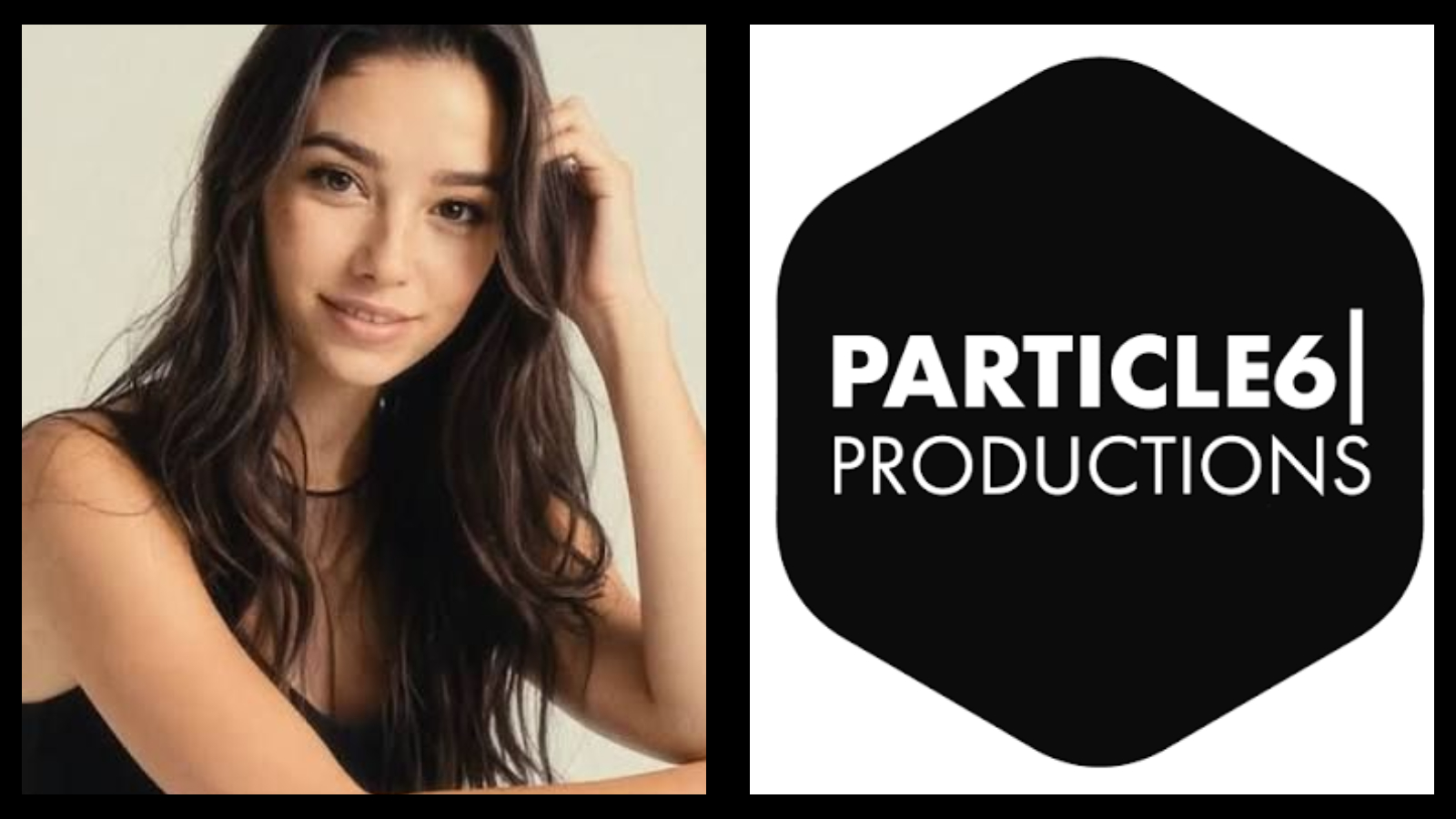
AI ‘actress’ (if we can call her that) Tilly Norwood, by company Particle6 Productions, is set to star in a coming-of-age comedy-drama, aptly named Misaligned.
The film follows Norwood playing herself in the AI ‘Tillyverse’ when a rogue AI bot from the dark web begins to help her develop desire, ambition, emotions and impulses in an attempt to make her more ‘human’… right.
It’s no surprise that the lifeless ‘actress’ is starring in a film where the plot seems to be taken straight from the mind of ChatGPT, but silver linings: at least they’ve only announced one film so far!
There is no release date for the film yet, but Particle6 have claimed it may take a year or more to finish; if you can’t wait to see the capabilities of Norwood, she currently has a single out called ‘Take the Lead’, a YouTube comedy sketch and a wide array of YouTube shorts.
How else are they using AI in the film industry?
Well, so far it is primarily implemented behind the scenes, especially in post-production.
Dune: Part Two (2024) used AI animation to change actors’ eye colours in post; The Brutalist (2024) starring Adrien Brody famously used AI software to adjust actors’ voices, and Alien: Romulus (2024) used a mixture of animatronics and deepfake technology to feature the likeness of the late Ian Holm on the character Rook.
A24 and Google
Some of the biggest news in the crossover between the film industry and AI is that the production company A24 has partnered with Google’s DeepMind to develop new AI technologies for film production.
This news has been met with a lot of controversy, as A24 has been viewed as a more off-beat and creatively free studio, and people who have been following their films closely feel a sense of betrayal.
One of the main parts of this deal that has stuck out to audiences is the development of AI storyboards.
The aim is seemingly to make pre-production faster and allow filmmakers to execute their exact vision on the storyboard and make their vision clear from the start.
This has met backlash, as storyboards have been around for the history of film; we’ve seen every classic film made without the inclusion of AI, so many are wondering why the strong push for it now? How essential is it really?
How can this impact the industry?
We can see that the full AI movie, actors included, has met severe backlash from people inside and outside the industry, so it doesn’t look like this will become the norm anytime soon, we hope.
AI tools in pre and post-production have been generally more accepted in the industry, making people’s jobs easier and faster, so it’s safe to say we are going to be seeing more and more of this moving forward.
There is still the question of how far industry professionals will take the use of AI, and when we consider all the wider effects of AI, such as its environmental impact, how justifiable is its usage?
It’s been clear from the start that AI would find its way into the film industry, as it has already done with music, fashion, video game development and practically any other creative industry. And that’s the key word, ‘creative’.
Does the use of Artificial Intelligence take away from the user’s creativity, or is it just something that we have to accept moving forward?
READ NEXT – Film opinion: Has A24 sold its soul to AI?