E.M. Forster’s 1909 masterpiece The Machine Stops is a genius precursor to the times we live in and to the film and television projects that forecast the dystopia we’re heading towards.
We live in a time of rapid climate change, an accelerating worldwide disaster that threatens to do irreversible damage to our planet.
At the same time, tech billionaires have convinced the masses that artificial intelligence is a ‘must-have’ despite the environmental destruction it contributes to.
What is ‘The Machine Stops’?
Forster’s 1909 short story depicts a world where the surface is uninhabitable, and its population has retreated underground, where individuals live in secluded bunkers, relying on ‘the Machine’ to perform their every whim.
A leading extract from Penguin’s Modern Classics publication of The Machine Stops reads: “‘You talk as if a god had made the Machine,’ cried the other. ‘I believe that you pray to it when you are unhappy. Men made it, do not forget that.’”
Sound familiar?
It’s remarkable that over a century ago, Forster touched on themes that are incredibly tangible today.
But for film and television fans, you can trace several projects back to the themes in Forster’s work.
‘WALL-E’
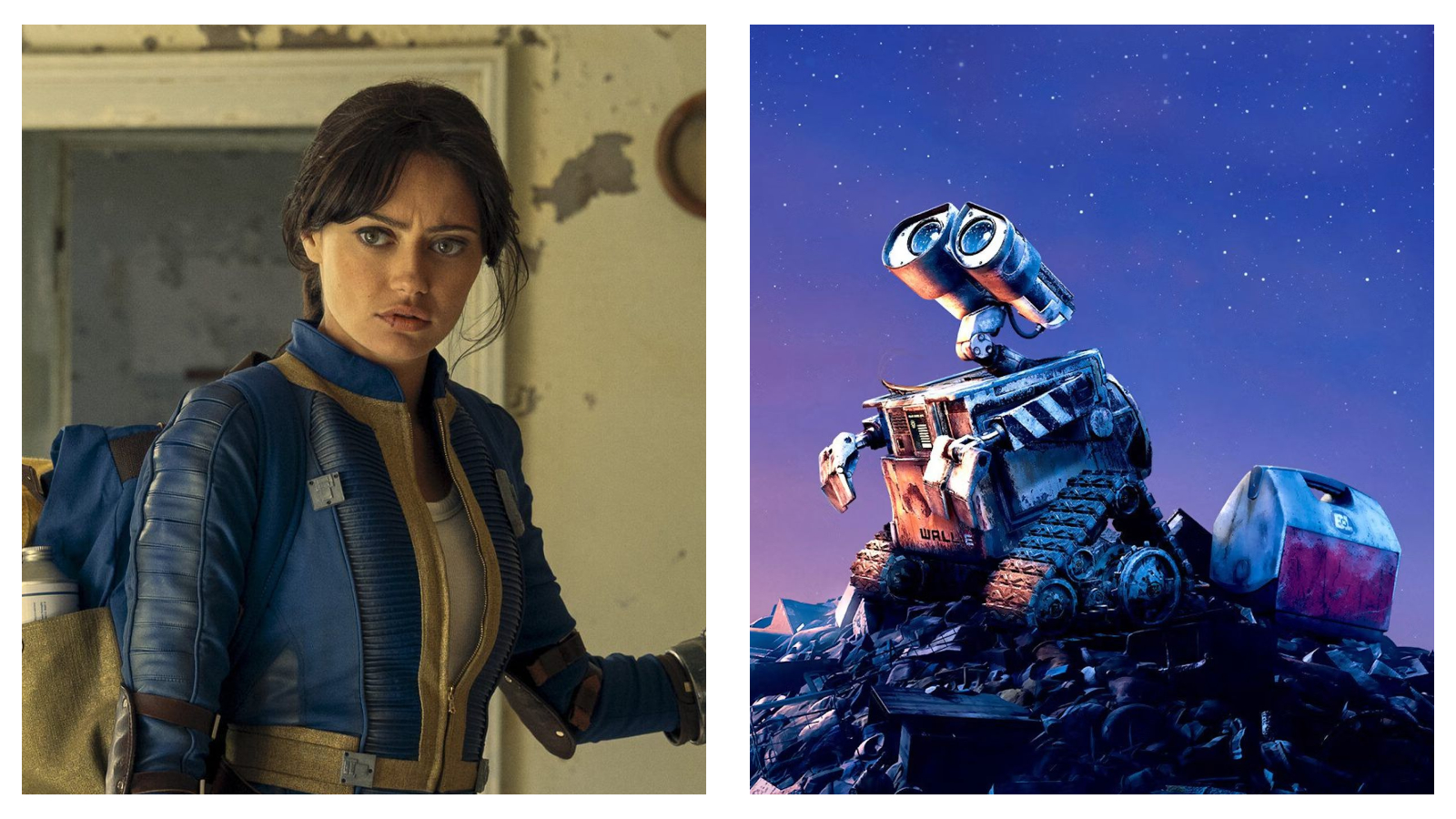
Disney Pixar’s 2008 masterpiece WALL-E can easily be seen as taking direct inspiration from The Machine Stops.
The beautiful silent movie-essque opening sees our titular robot collecting and compacting trash on the barren wasteland humans once called home.
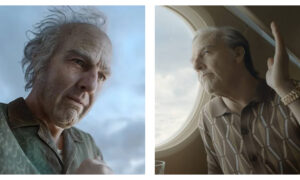
Alas, in this 2805-set story, Wall-E finds himself aboard the Axiom; he discovers a population of obese humans swinging about on hovering chairs with all of their needs met.
Unlike Forster’s work, Pixar puts a slightly sunnier spin on things toward the end of Wall-E, and the foreboding omnipresence of AI isn’t nearly as prevalent either.
‘Fallout’
In The Machine Stops, the humans underground blissfully live an ignorant existence, fully believing that the outside world has gone kaput.
Kuno discovers this isn’t the case: a form of civilisation does indeed survive the apocalypse on the surface, and it is, in fact, those underground who are living in a form of ‘ruin.’
Kuno’s story mirrors that of Fallout’s sibling duo, Lucy and Norm MacLean, who rally against decades of misinformation to escape their vault and reach the surface, seeking a chaotic civilisation, but one free of blindfolds.
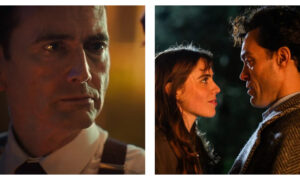
There’s a similar narrative at play in Silo, whereby Rebecca Ferguson’s Juliette Nichols seeks to uncover a similar conspiracy, where generations of lies have subdued a subterranean society.
Fearing artificial intelligence
Fearing the impacts of a machine-led society is central to The Machine Stops, and is the warning Forster aims to convey.
And it has also been a popular part of film and television.
2001: A Space Odyssey, Blade Runner, Terminator- you name it; creators in film and television have gone big and bold to raise fears and ethical questions about AI.
From Metropolis to Ex Machina, and even the OpenAI Sam Altman biopic Artificial, Forster’s warnings have been picked up and played out over and over again.
Who would have known back in 1909 that a short story could resonate so much more than a century later?
READ NEXT – ‘Filipiñana’ review: A Stunning debut from an Oscar hopeful