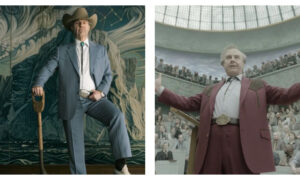
The most prestigious prize in the film festival circuit, the Palme d’Or, has been awarded to many incredibly deserving films across its history.
The top honour at the Cannes Film Festival is a title most directors would love to take home with them, but some of those wins have stood the test of time more than others.
Film News Blitz’s Oscar Trinick talks about some of his favourite winners of that famous golden leaf.
The Cranes are Flying (1957)
Mikheil Kalatozishvili is a name that might not be known to the masses, but the Soviet filmmaker has a legendary reputation for a reason.
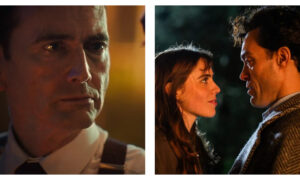
He won his Palme d’Or in 1957 for his war drama, The Cranes are Flying, a film about two lovers in Moscow, kept apart by World War II.
Kalatozishvili’s reputation lies in the one-of-a-kind freedom of his camera work, and his ability to light the faces of his actors with such beauty, just like Tatyana Samoylova here.
While his see-it-to-believe-it oners in I Am Cuba represent the freedom of the revolution on display there, here, the vibrance and romanticism of his camera work is juxtaposed against the tyranny of war, and the sacrifices partners faced.
The concept of lovers torn apart is nothing revolutionary, but Kalatozishvili’s narrative is so visually led that its form effectively becomes the driving point of the story, as sweeping beauty is thrown thematically back and forth, with the suffocation of destiny.
La Dolce Vita (1960)
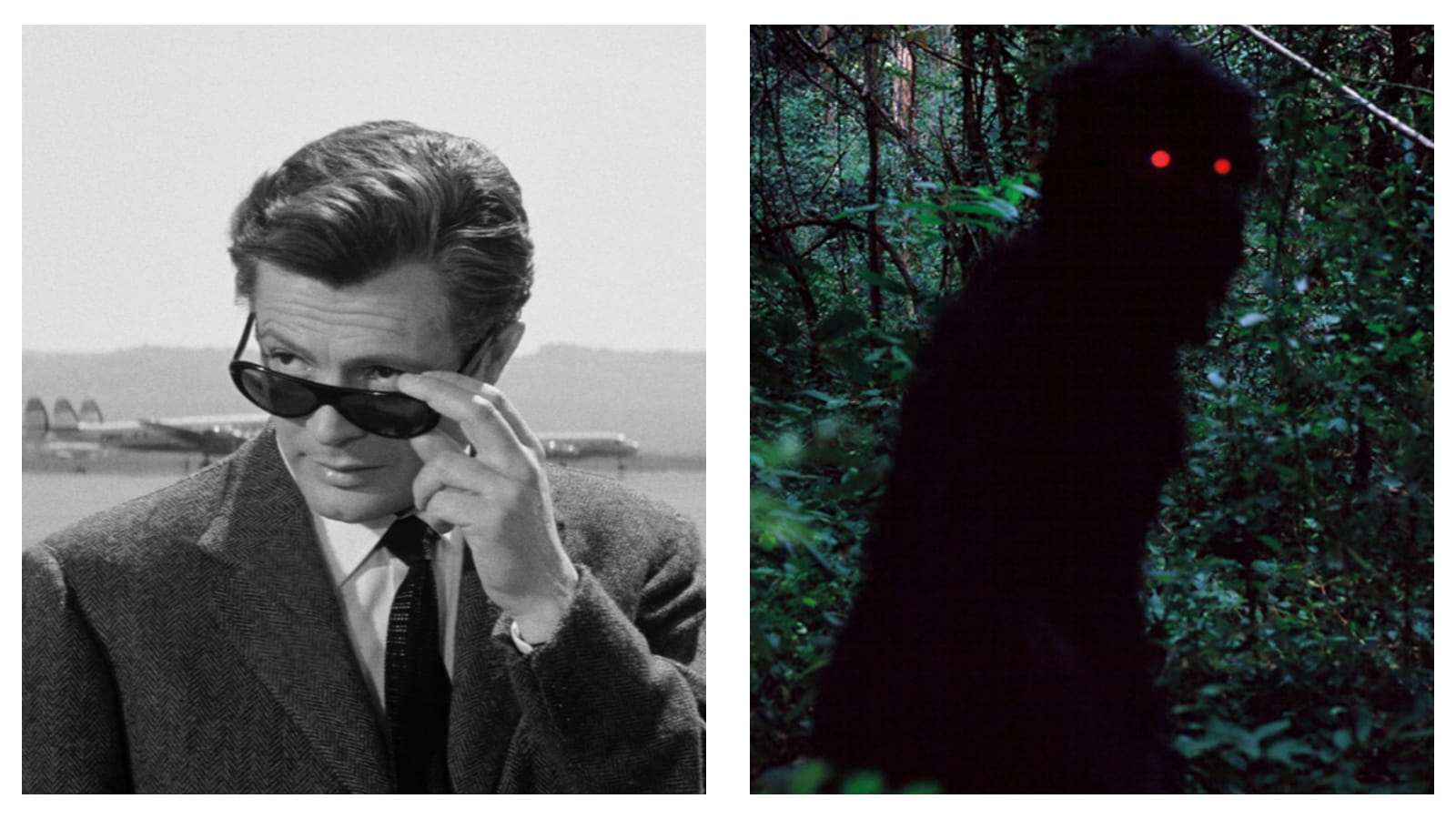
All the films I’m talking about here are all-time favourites of mine, but I truly believe that Federico Fellini’s 1960 masterpiece, La Dolce Vita, is one of my favourite films out there, let alone Palme winners.
Translated as ‘The Sweet Life”, this nearly 3-hour tale is devoid of an overarching narrative, favouring an episodic approach that follows Marcello, a celebrity journalist who struggles to find his place in the world, as we move through parties, news scenes and a variety of lovers.
Fellini started with the famous La Strada and Nights of Cabiria, extensions of the Italian Neo-realism movement after its inception.
La Dolce Vita is so compelling because it’s Fellini’s metatexutal putting-to-bed of his own neo-realistic tendencies, as for the first half of the film, he questions whether the movement is dead, and whether he should continue indulging in it.
Then, as the halfway point nears, a moment that initially appears to be a POV shot, splits away as a character glances into the camera and back to the original focal point – Fellini splits his soul before our own eyes, and so begins his career shift into spirituality and surrealism.
The back half of the film sees ghost hunts and endless nights take over, as our director points toward the future of his career: 8 ½, Amarcord, Juliet and the Spirits, etc.
Ultimately, a film about those who are drawn to the extravagance of rotting away, magical nihilism, if you will.
READ MORE: Horror news: Sam Raimi set to direct ‘Magic’ reboot for Lionsgate
Uncle Boonmee Who Can Recall His Past Lives (2010)
There are few more proven masters of slow cinema than Thai filmmaker Apichatpong Weerasethakul, and no, I’m not just referring to films that are slow by nature, per se, but rather something that is formally distant and observational, with shots lasting minutes on end.
Out of all the 21st-century Palme d’Or winners, this one might be my favourite victory, solely down to the fact that it is a selection you won’t see out of the contemporary juries; instead, films like Triangle of Sadness win it.
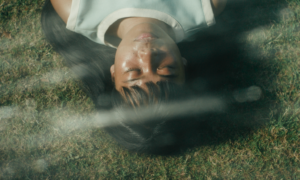
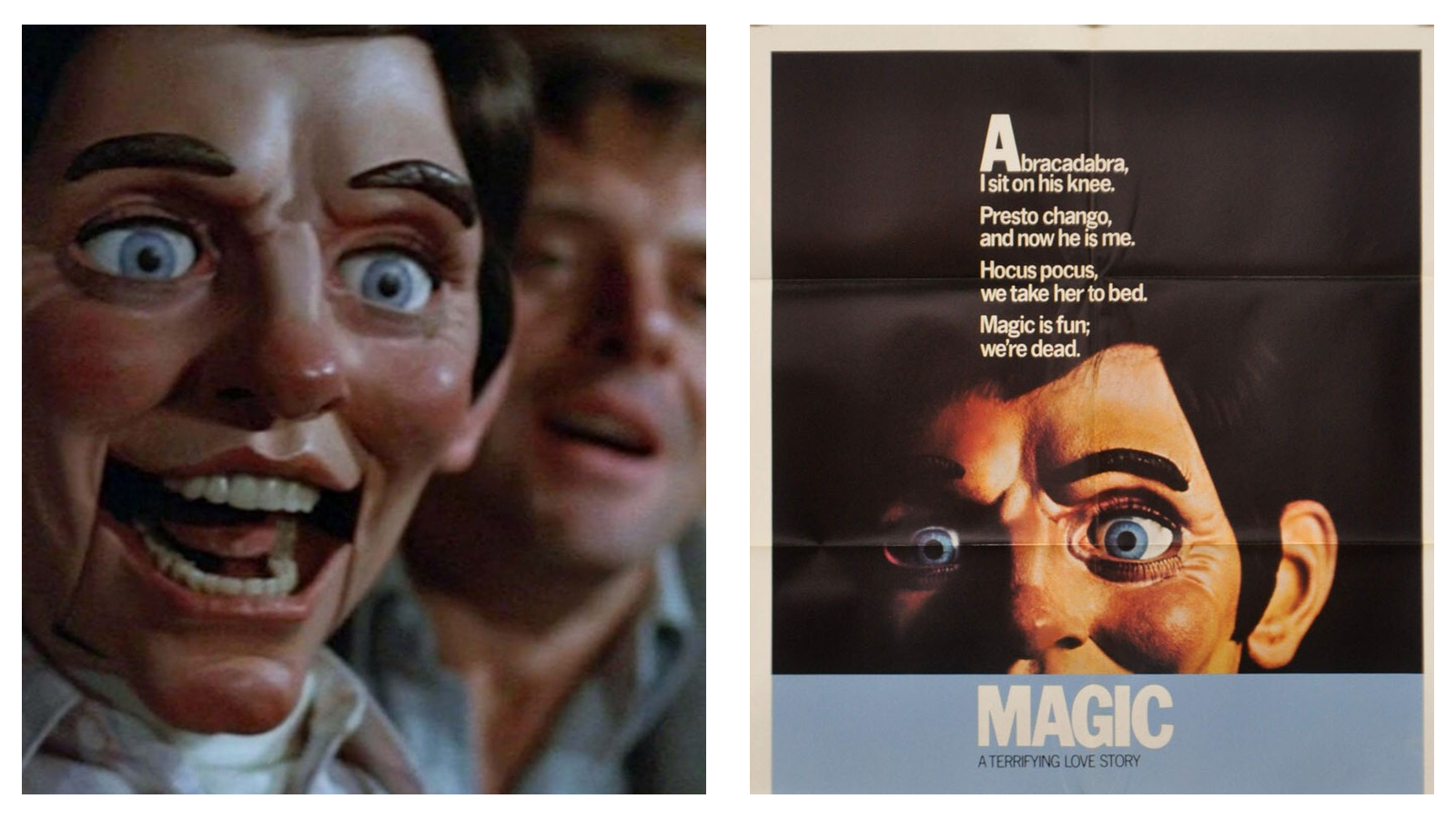
The film follows Boonmee, who chooses to spend his final days with his family, as he is suffering from an acute kidney failure. During this time, the ghost of his dead wife appears to care for him.
Weerasethakul harnesses such an imaginative peculiarity here that compels us to reflect on vast aspects of our connections with the past, as well as our future with death, as it materialises in front of our own eyes.
Here, he attributes autobiographical qualities, as his father also died of kidney failure, with the depths and stories of the jungle and the inextricable link to the nature around him, a motif across several of his other works – Syndromes and a Century, Tropical Malady, etc.
As Boonmee dies, why not shoot it in the dying format of film?
READ MORE: Film opinion: The death of ambiguity in cinema