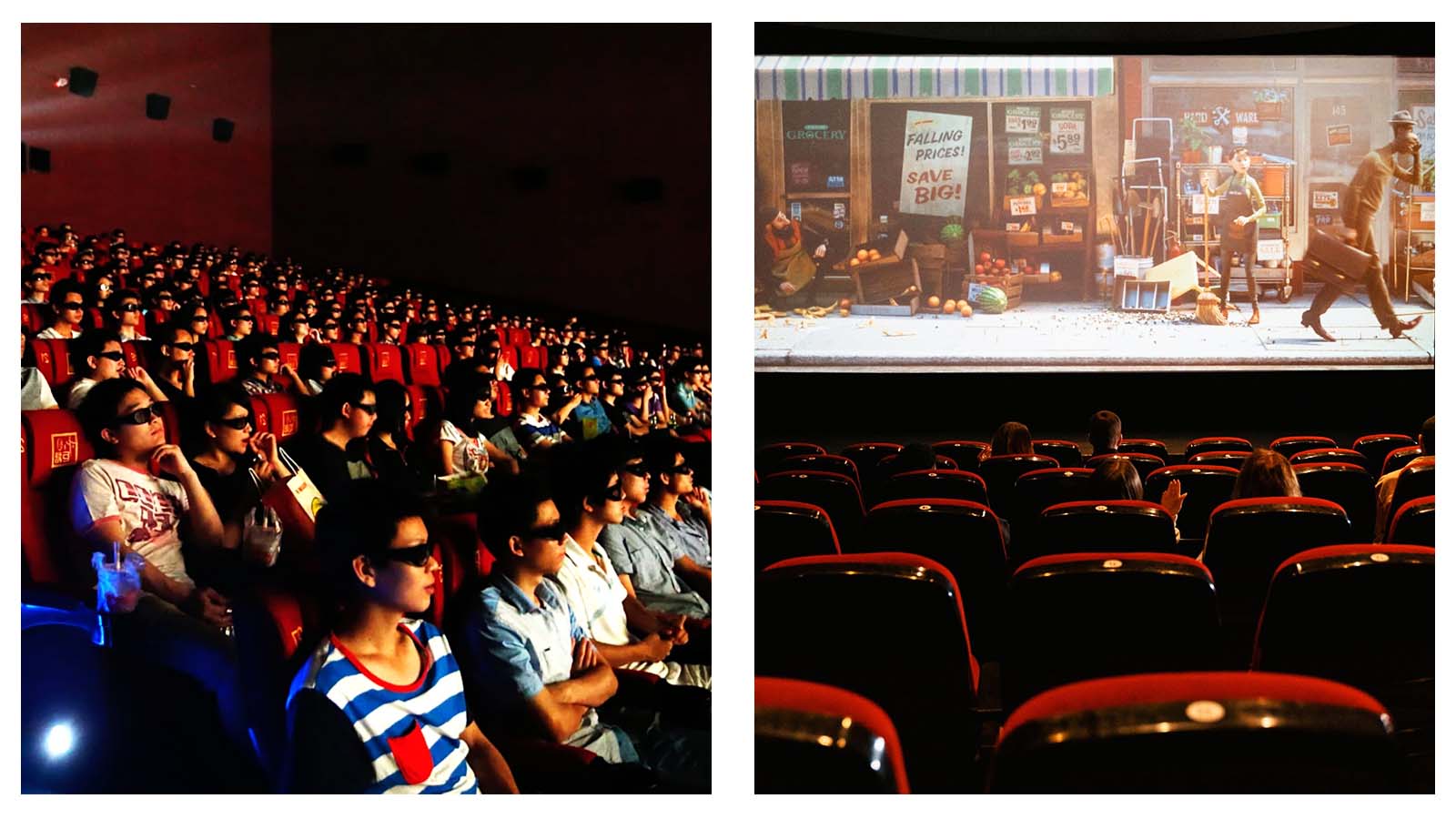
Almost every film eventually ends up on a streaming platform, and even when staying at home is cheaper, easier and sometimes more comfortable, cinema still has something that a laptop screen never will – the experience.
It sounds dramatic, but cinema has always been about more than just watching a film and maybe that is why “event cinema” is having such a moment again.
There is something about walking into a cinema that still feels different, writes Film News Blitz’s Fatima Aziz.
Cinema has to feel worth it now
Audiences are harder to convince than they used to be. That does not mean people do not care about films anymore, because they clearly do. It just means the cinema trip has to feel worth the money, the travel and the effort.
That is where IMAX, 70mm screenings, re-releases and anniversary showings come in. They make going to the cinema feel less like something casual and more like something you plan around.
A film being on the big screen is not always enough anymore. It has to feel like a moment. Something limited. Something you might regret missing.
Something that will not feel the same if you watch it months later in your room while half-scrolling on your phone.
That is the clever thing about event cinema. It doesn’t just say, “come and watch this film.” It says, “come and be part of this.”
Nostalgia is doing a lot of the work
But the biggest reason this works is nostalgia.
People love to pretend nostalgia is lazy, as if revisiting old films is just a sign that cinema has run out of ideas. Sometimes, maybe it is. But I also think that undersells how deeply people connect with the films they grew up with.
When an old favourite comes back to the cinema, people are not only going to watch the plot again. They already know what happens. They know the lines, the soundtrack, the ending.
They are going because that film belongs to a certain version of their life.
It might remind them of being a child, of watching DVDs on repeat, of going to the cinema with family, of sleepovers or of school holidays. Nostalgia is powerful because it makes a film feel personal.
A re-release can turn something familiar into something emotional. You are not just watching the film. You are remembering the first time it meant something to you.
Watching together still matters
That is what streaming cannot fully recreate.
Streaming is convenient, but it can make films feel disposable. There is always another title underneath, another recommendation, another thing to half-watch.
The cinema forces you to pay attention. It asks you to sit still, in the dark, with strangers, and give yourself over to one story. That sounds very simple, but it feels almost rare now.
When the film is something people already love, that shared experience becomes even stronger. Hearing a whole room laugh at the same scene, gasp at the same moment, or quietly react to a line everyone remembers is part of the magic.
It reminds you that films are not just content, they’re communal.
That is why anniversary screenings and fan events work so well. They turn private memories into public experiences.
Maybe films need to feel special again
Not every film needs to be an event. Sometimes you just want to watch something random on a Tuesday night and move on with your life.
But cinema survives on films that feel bigger than that. The ones people dress up for. The ones they post about.
Maybe that is why event cinema feels less like a gimmick and more like a reminder.
Films are not only things we consume. They are things we attach memories to.
Sometimes, the reason people go back to the cinema is not just to see what happens on screen, it’s for the two hours of feeling like they have stepped back into something they loved.
READ NEXT: Film analysis: How A24 became one of cinema’s most influential studios