It is surely every cinephile’s dream to attend one of the “Big Five” film festivals.
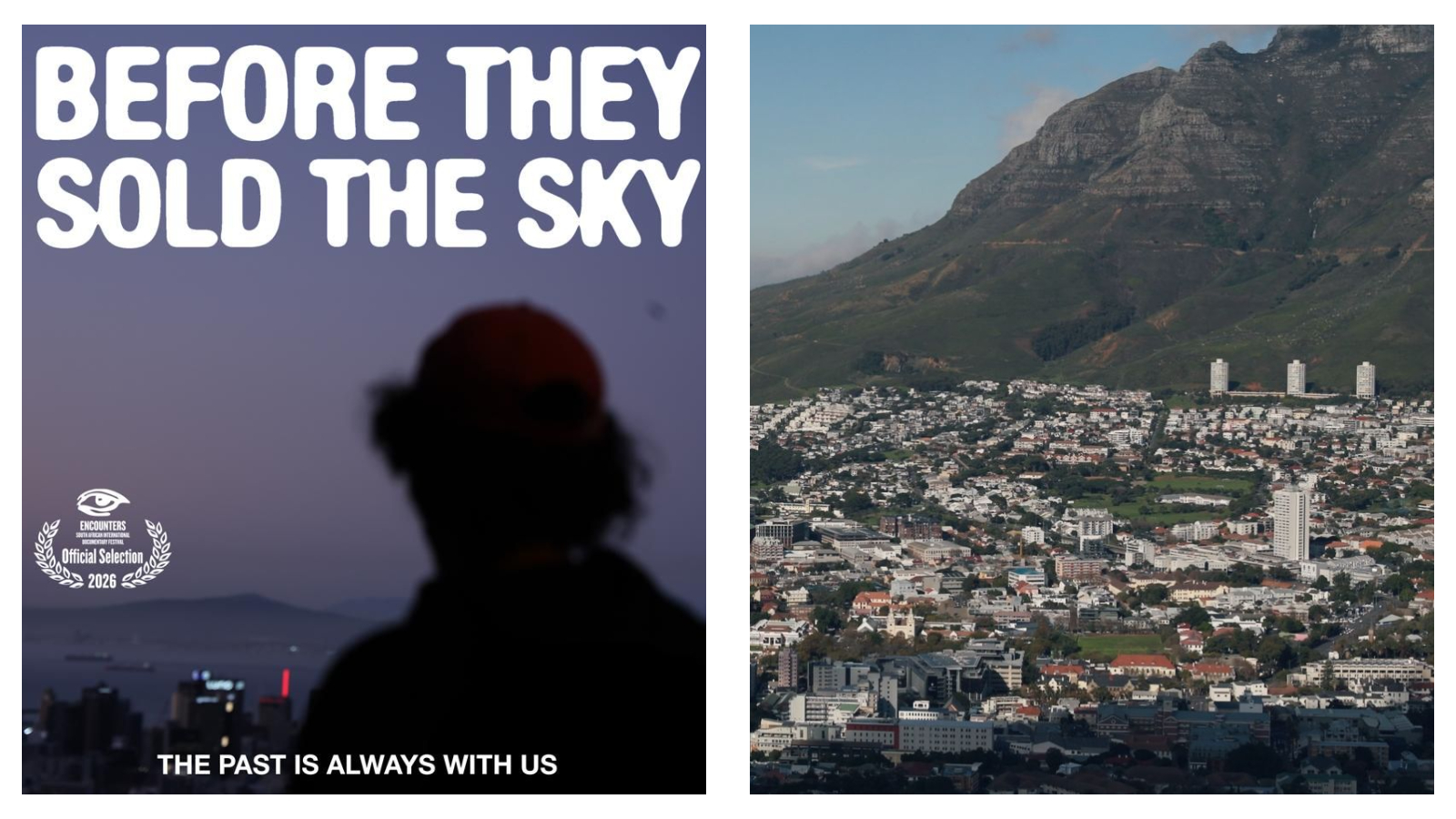
For South African filmmaker Kai Reynolds, that dream arrived this year when he accompanied his documentary Before They Sold the Sky to the 83rd edition of the Venice Film Festival.
From YouTube and university to the oldest film festival in the world, his experience was a special one not only because of the opportunity to attend, but also because of the subject of his film and his role in the event.
In an interview with Film News Blitz writer Zach Heynes, Kai shared his unique insights into what it’s really like at one of the most impressive film events in the world.
A quick background on Kai
Kai has been making films and sharing them to YouTube since 2020; a product of a 16-year-old under lockdown restrictions.
“That was the beginning of my filmmaking journey,” he said about his YouTube days.
“Since then, I have basically always been busy making something.”
That certainly has been the case; From personal projects with friends, participation in local film events, and his studies as a screen production student at the University of Cape Town, his catalogue has never stopped growing.
However, it was the documentary he directed for his Honours year at UCT that would lead to his bucket list-worthy experience.
Making ‘Before They Sold the Sky’
Before They Sold the Sky tells the story of Kai’s familial history in Cape Town, South Africa.
In it, he and his crew return to the physical places where his grandparents and great-grandparents had lived, including District Six and Walmer Estate.
A reason for this was to attach stories and memories to physical places and to understand what has been lost from historical events such as forced removals due to the Apartheid regime.
Centring his own family history, Kai’s choice to tell a story “close to home” was a deliberate one from the beginning.
“During my Honours at UCT in documentary filmmaking, we all had to pitch our doc ideas, and I remember that I wanted to do something about Cape Town,” Kai detailed.
“The idea of space really fascinated me and with the politics of who owns the space and what it’s made for were the things that intrigued me.”
He spoke about how the original pitch changed as the film was being made, as is the nature of documentary making.
“We ended up going the route of exploring my family’s history of living in District Six and how that history is lived today in our current reality. Our participants ended up being my grandparents, Jane and Gilbert Lawrence, and Professor Siddique Motala.”
The documentary tells an intimate yet incredibly important, relatable story about ancestral history and physical spaces.
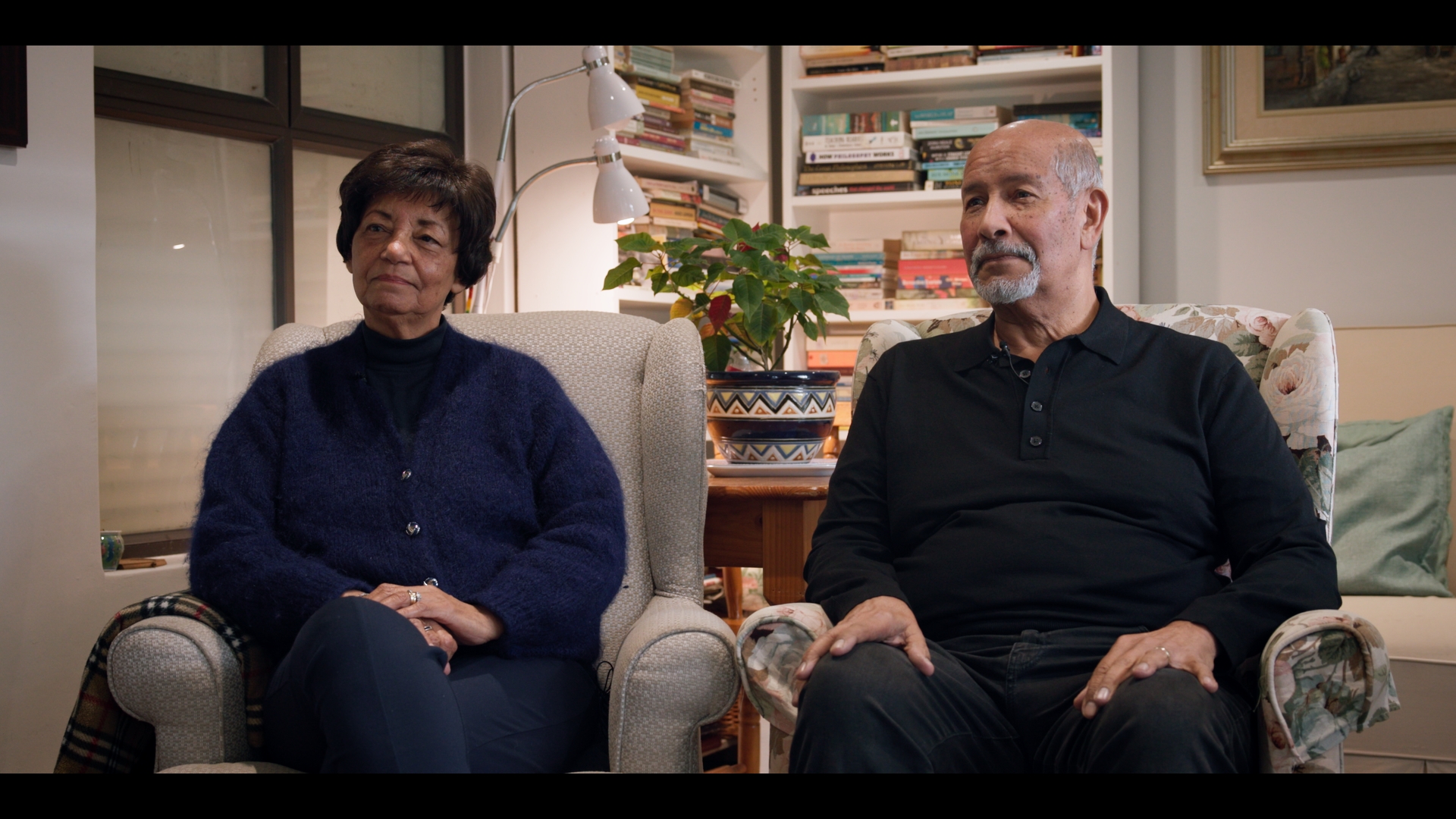
Before They Sold the Sky tells the story of Kai’s familial history in Cape Town, South Africa
Receiving the good news
Kai’s documentary was selected for Venice’s African Chiama event, and receiving the news was a huge, but special, shock.
Coincidentally, he found out the night before his birthday.
The announcement was a rollercoaster of emotions – between teary family celebrations, an overjoyed crew and a logistical whirlwind, the road to Venice was a busy one.
“I could barely believe what was happening. There wasn’t a lot of time before I’d have to leave so when the initial shock dissipated it was very stressful trying to figure out the logistics. We couldn’t believe our documentary was going to Venice.”
One of Kai’s biggest dreams was to attend a major festival like Venice, and so for it to be with one of his films was “more than [he] could have ever imagined”.
It was also his first time travelling for a film, and he found the new experience exciting, but also heavily administrative, with visa organisation, public transport navigation and film bookings at the festival.
“I was nervous and a bit overwhelmed at times, but remembering why I was there served as a gentle reminder that I did belong.”
He also found comfort in being joined by a fellow South African filmmaker, Sivuyisiwe Nxawe, whose film was also at African Chiama.
Arriving at the festival
Kai recounted his crazy introduction to Venice upon arriving, which included his sea-bound commute between islands to Lido, where the festival is held.
On the first day, he arrived at the Palazzo del Cinema, the festival’s main area, by following a stream of people in red lanyards until he eventually started seeing fancy hotels and the red carpet.
“Seeing it all for the first time was amazing. The big film posters, big flags, security and the crowds were really something. I barely got into my screening in time but it was very satisfying when I did finally take my seat.”
Venice Film Festival – how does it work?
As the oldest film festival in the world, the event’s organisation was down to a science.
Upon entry to the festival grounds, and every cinema thereafter, attendees had their badges scanned.
But the process to actually get into a screening was quite competitive.
For any film you wanted to watch, you had to register to be placed in a virtual queue before being forwarded to the actual booking platform – and naturally, things got full very quickly.
“People take it very seriously and the queues can get extremely feisty and demoralisingly long.”
Fortunately, there were means around the endless queues for anybody who didn’t manage to book online.
“They have what’s called a rush line where you can wait if you didn’t get to book your ticket online and if there is any space inside the cinema 15 minutes before, they let you in. That’s how I got to see Wild Horse Nine on the first day.”
Otherwise, Kai described the atmosphere as a “concentrated geography that bred its own culture”, as reinforced by a daily festival newspaper and waves of mutual, bright blue tote bags.
Participating in the UNIMED Jury
Kai was invited to join the UNIMED Jury (Universities of the Mediterranean), which got to vote on the films and had their own award for the filmmakers.
He enjoyed their shared discussions and deliberations, and the lessons from their diverse backgrounds.
“Meeting people from all over the world was insightful – there were people from Palestine, Kurdistan, Italy, Spain, France and Cyprus. I learnt so many things from them.”
This made his film’s screening and its innately South African topic even more special, as it was screened with the UNIMED Jury members.
“Speaking to them afterwards about Cape Town and my cultural background was an incredible experience. Some people had no idea about District Six or the forced removals or how it shapes our current reality,” Kai reflected.
“I am very grateful for the experience of sharing my city and family’s story with the world. The South African ambassador was there too and a couple of European film producers and UNIMED Organisers. It felt great to represent my home like this.”
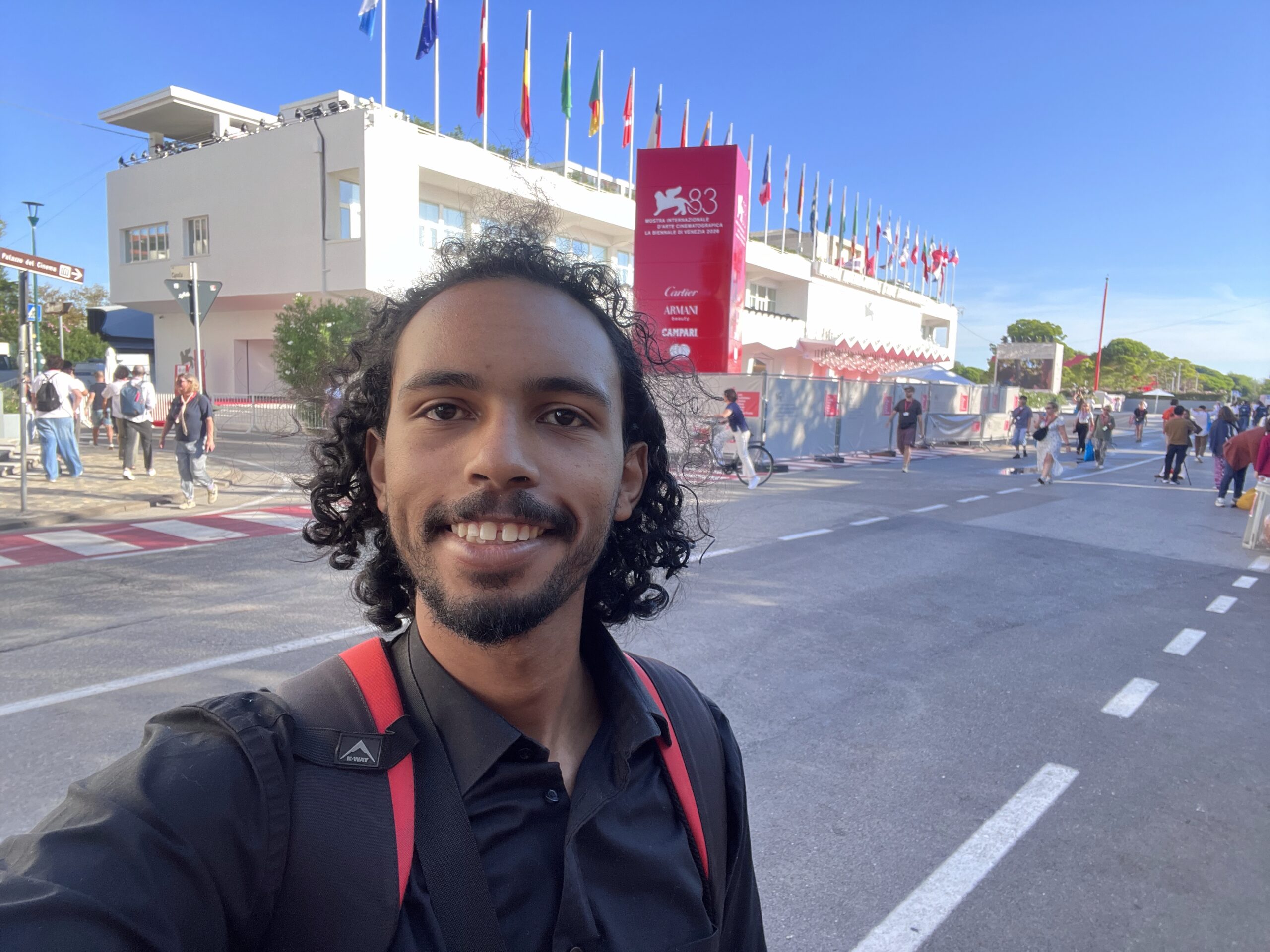
Kai achieved the dream of taking a film to Venice
The biggest highlight
When asked about any specific highlights or memories, an immediate standout for Kai was meeting Hirokazu Koreeda.
The Look Back director came to thank the UNIMED Jury after winning their Film of the Festival vote.
“He was incredibly gracious and humble and thanked us with a short speech. I got to take a picture with him and that’s something that I will cherish for a long time.”
Kai resonated with the film, and that moment highlighted what is so special about attending such a festival.
“The proximity I had to the film world was really encouraging,” he pointed out about the interaction.
“To be able to just say I was in the same place as them would be enough, but to have a photograph with such a prolific and renowned filmmaker helped bridge that gap that makes these spaces feel so far away from us.”
Final thoughts
From representing his country, culture and family history on a global stage, to attending the oldest film festival in the world, Kai’s journey to Venice was nothing short of a dream trip.
When asked about the primary lessons or takeaways he had from travelling solo, visiting Venice, and attending the festival, this is what he had to say.
“I have really grown to appreciate the world. I do love living in South Africa and appreciate my heritage but just seeing new cities and places helps me remind myself that I am a global citizen. This very large story that is the world, includes me.”
His message really emphasised the magic of a global cinema event to the scale of Venice, and it is clear that Kai soaked in the opportunity for all it had.
But if you did have any doubts, it should be said that he managed to watch 18 films in the nine days he was there.
To close, he shared one final lasting impact from the experience.
“The festival also gave me a goal. I loved being a part of it and I hope to go again someday. Hopefully, with a film in competition next time. “
For more of Kai’s work, you can follow him on Instagram and YouTube, and for more insights on his travels to Venice, you can find an extended interview at Travel News Blitz.
READ NEXT – ‘Clayface’ review: The best DCU film to date?