For many cinema-goers, the moment the credits begin is no longer a signal to leave.
Instead, audiences remain glued to their seats, waiting to see whether one final scene, surprise cameo or major reveal is still to come.
What began as an occasional novelty has become one of modern cinema’s most recognisable trends, particularly following the rise of major superhero franchises.
As audiences grow increasingly accustomed to staying until the very end, Film News Blitz’s Jessica Spilsbury explores whether post-credit scenes have fundamentally changed the way we watch film.
How have post-credit scenes become so popular?
While post-credit scenes existed long before the modern blockbuster era, their popularity exploded following the success of the Marvel Cinematic Universe.
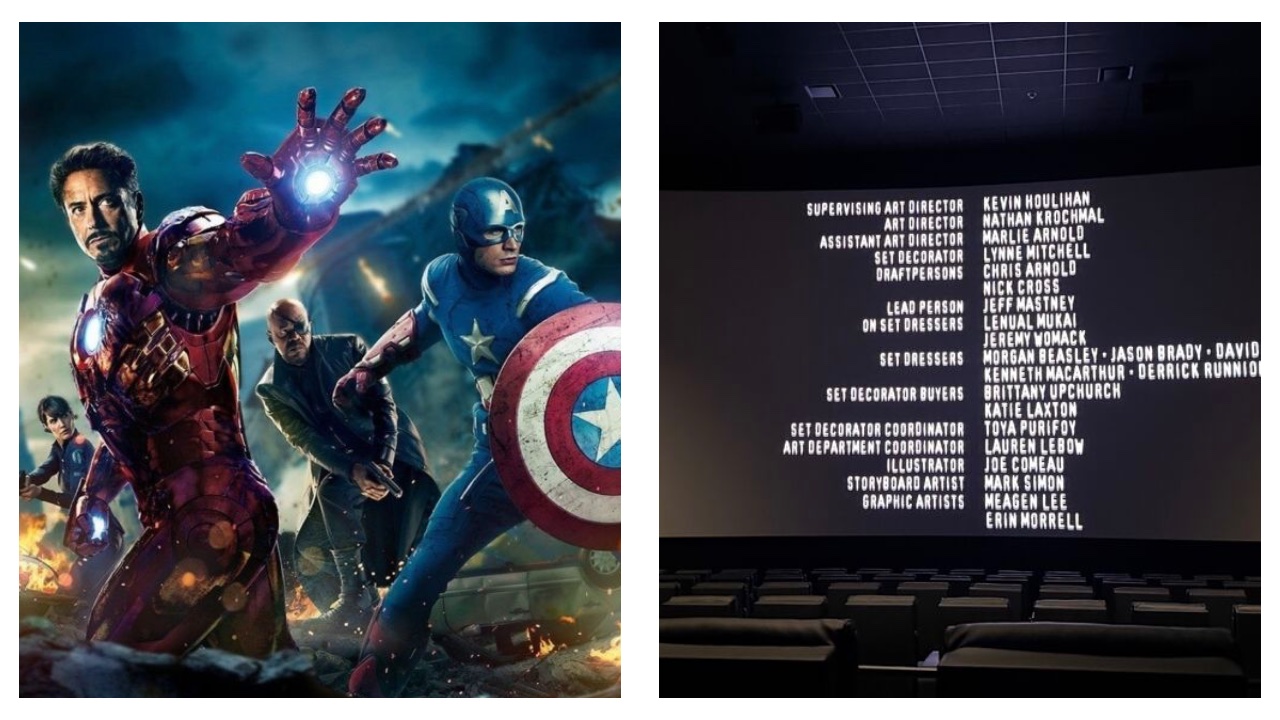
One of the most influential examples came in 2008 when Iron Man ended with the surprise appearance of Nick Fury, who hinted at the formation of the Avengers Initiative.
The brief scene lasted less than a minute, yet it helped establish a formula that would shape blockbuster filmmaking for years to come.
Marvel has arguably normalised the practice more than any other franchise.
As of 2026, the MCU has featured 88 mid- or post-credit scenes across 51 properties, helping establish audience expectations that something important might happen after the credits roll.
Suddenly, films were no longer standalone experiences.
Instead, they became chapters in a much larger story.
Viewers were no longer encouraged to think about whether a film was satisfying on its own, but how it connected to everything that came next.
For audiences, leaving before the credits finished suddenly felt risky.
More than just a bonus scene
At their best, post-credit scenes reward loyal viewers.
They can provide an extra joke, tease a future instalment or offer a final emotional moment after the main story has concluded.
However, they have also changed audience expectations.
Rather than treating a film as a complete experience, viewers are increasingly encouraged to focus on what comes next.
This is particularly noticeable within major franchises where discussion often shifts quickly from the film itself to the sequel being teased.
Following many Marvel releases, social media conversations are often dominated by speculation about future projects rather than analysis of the film audiences have just watched.
Marvel Studios president Kevin Feige has argued that post-credit scenes are more than just sequel teases.
Speaking in 2018, he said: “The fans love it, it’s a tease or something to come.
“But the real bonus is that the audience is going to sit there and look at all the names of the hundreds of thousands of people who worked so hard to bring these movies to life.”
In some cases, the post-credit scene becomes the biggest talking point of all.
The rise of the cinematic universe
The success of Marvel’s approach has influenced countless studios.
Franchises including DC, Fast & Furious and even family films have experimented with post-credit scenes in an attempt to build anticipation and maintain audience interest.
The strategy reflects a wider shift in modern entertainment.
Streaming services, television franchises and interconnected cinematic universes increasingly encourage audiences to think about stories as ongoing narratives rather than individual releases.
The post-credit scene fits perfectly into that model.
They transform endings into beginnings, ensuring audiences remain invested long after leaving the cinema.
Are they helping or hurting films?
Not everyone is convinced that this is a positive development.
Some critics have suggested that post-credit scenes contribute to a culture of perpetual anticipation, where audiences are encouraged to look ahead to the next instalment rather than sit with the story they have just experienced.
Recent years have also highlighted the risks of this approach.
Several highly anticipated teasers have ultimately led nowhere due to cancelled projects, changing studio plans or franchise reboots.
DC Studios co-head James Gunn has warned that post-credit scenes can become a “nightmare” when studios promise future storytelling before they know where a franchise is heading.
As a result, some post-credit scenes now feel less like exciting awards and more like promises that may never be fulfilled.
What comes next?
Despite growing criticism, the post-credit scene shows little sign of disappearing.
For studios, they generate discussion, social media engagement and anticipation for future releases.
For audiences, they offer the possibility that one final surprise might still be waiting.
However, their lasting impact may be larger than any single cameo, tease or surprise appearance.
Post-credit scenes have changed the way many viewers approach film endings by transforming the credits from a conclusion into a part of the experience itself.
The question is no longer whether audiences will stay until the lights come up; It’s whether modern cinema has trained audiences to view every ending not as a conclusion, but as the beginning of something else.
READ NEXT – TV opinion: If the Duffer Brothers can’t survive Netflix, who can?