How is your attention span? Do you give full attention to the shows you watch? Because Netflix doesn’t seem to think so.
In a new age of short-form videos, do people really have the time to fully commit to anything longer than a couple of minutes?
Now that’s the real question, writes Film News Blitz’s Priya O’Reilly.
Passive scrolling
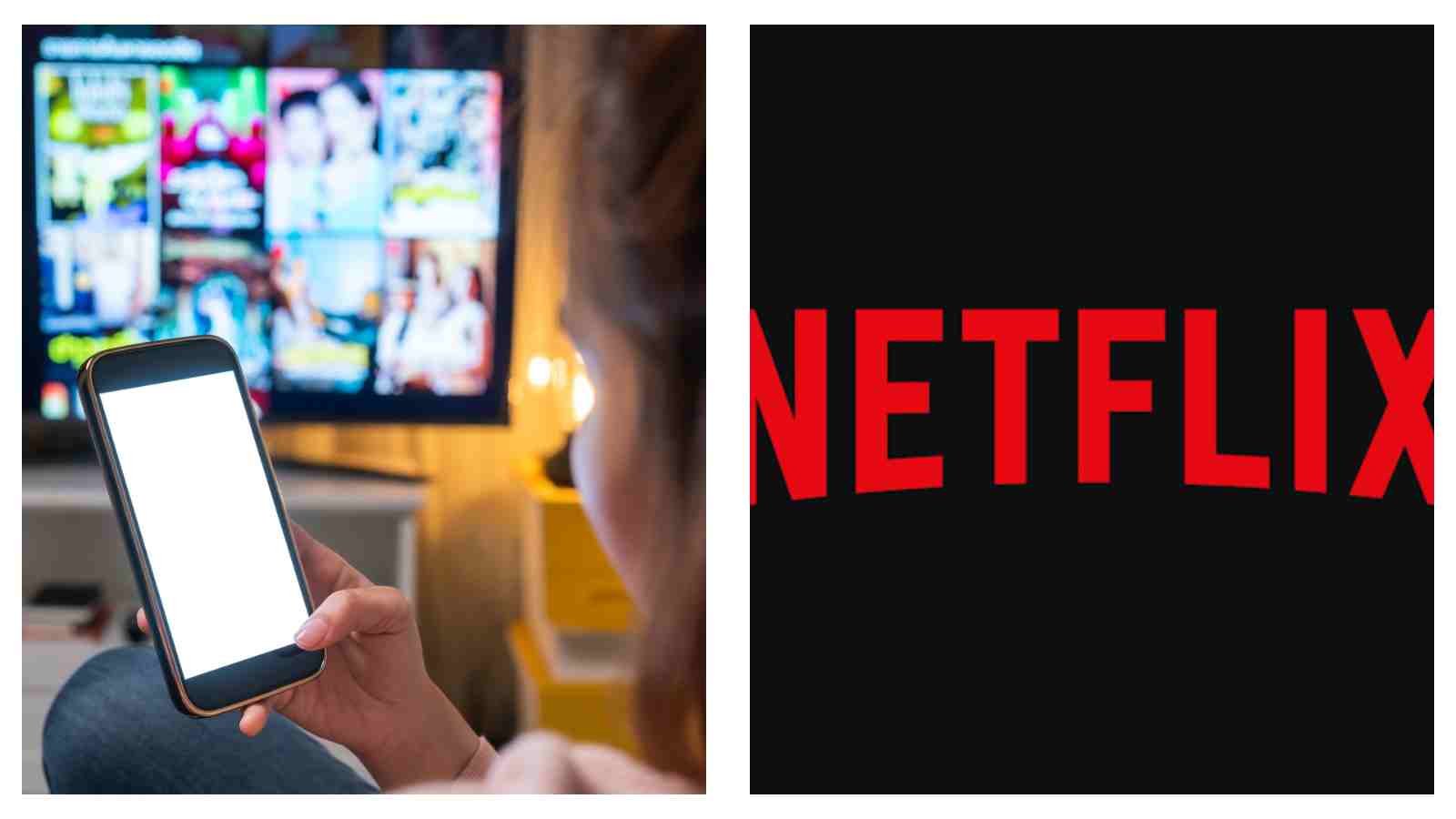
Netflix’s second screen proposes the idea that people no longer have the commitment to shows, opting now to passively scroll on their phone while engaging with their favourite shows.
As a result, Netflix has begun to simplify its plots in order for it to be easier to follow while attention is elsewhere.
Some have called this ‘expository dialogue’ which means the script is being used to explain the story rather than to progress the narrative.
Does this pose a threat to premium TV? Many are inclined to agree.
Matt Damon while promoting his Netflix film The Rip shared his thoughts on the second screen.
“It wouldn’t be terrible if you reiterated the plot three or four times in the dialogue because people are on their phones… it’s really going to start to infringe on telling stories.”
Netflix has pushed back on this idea, however, stating that this perspective is “offensive to creators and filmmakers.”
The idea of plots being over simplified gained traction as a topic during the release of the final season of Stranger Things.
Excessive hand holding
Many critics have argued that Stranger Things went from being a “complex, atmospheric horror” to a show with “excessive hand holding for the audience.”
In an interview with The Conversation Milly Bobby Brown, the actress of main character Eleven in Stranger Things, shares that: “In this show we have to make sure points come through… even though kids are watching TikTok while they watch it.”
Now it isn’t only Stranger Things that has got the heat for becoming a second screen show, many beloved Netflix shows have been called out for being too simple.
A list of a few ‘second screen’ shows include:
- Wednesday
- Bridgerton
- Fuller House
- The Blacklist
- The Lincoln Lawyer
The threat Netflix is facing
So what exactly is taking people’s attention away from the TV to their small phone screens?
The answer is really quite obvious… TikTok.
Ever since its release in September 2017, TikTok has generated 1.9 billion active users worldwide and is most popular for its short format videos.
In younger demographics (18-24) individuals can spend an upwards of 95 minutes on the app a day, opening the platform an average of 10 – 15 times.
Does this mean that the ‘second screen’ will only worsen as competition with other streaming platform builds?
Psychologist Tamer Ezzat discusses his fear for the decline, saying: “I worry about what we are optimizing away… silence, ambiguity, visual meaning and narrative patience.”
And that the loss of these will reduce “Cinema and Television from uniquely powerful psychological experiences, to just entertainment.”
What does this mean for the future of TV?
Many believe that the idea of ‘second screen’ viewing is very much real and is being adopted into modern filmmaking.
With the rising popularity of platforms such as TikTok, the competition for viewers’ attention seems ever prevalent.
Sites such as IMDB have even set to create film lists for those that want the ‘second screen’ experience: https://www.imdb.com/list/ls527974236/.
Is this the end of quality storytelling? Or the beginning of a new age of television?
READ NEXT: Your next binge list: The top upcoming book-to-screen adaptations