Resident Evil has been a popular survival horror video game series since 1996.
Since the release of the first game, Resident Evil has become the standard for impeccable horror and action, and the franchise has gone on to create 31 games.
Despite the video games’ legendary history, the live-action films have consistently fallen short in comparison.
But with a new Resident Evil film set to hit theatres on 18 September, can this be what finally gives the franchise the cinematic treatment it deserves?
Film News Blitz writer Priya O’Reilly gives her thoughts…
Why the old movies missed the mark
To understand why a new reboot is necessary, we must look at where the original film series went wrong.
Beginning in 2002, Paul W.S. Anderson’s six-movie saga starring Milla Jovovich was an undeniable box-office success, pulling in over $1.2 billion globally. But for fans of the games, the movies were a massive disappointment.
Instead of survival horror, audiences were served mid-2000s Matrix-style action flicks.
- Style over substance: The films traded slow-burn tension, resource management, and environmental storytelling for slow-motion gunfights, leather jump suits, and heavy metal soundtracks.
- Original main characters pushed aside: Legendary game protagonists like Leon S. Kennedy, Jill Valentine, and Claire Redfield were frequently sidelined or reduced to glorified cameos to serve the original, overpowered protagonist, Alice.
- Erased lore: Iconic locations like the Raccoon City Police Department or the Umbrella Corporation’s underground labs felt like afterthoughts rather than core narrative pillars.
Subsequent attempts, like 2021’s Resident Evil: Welcome to Raccoon City, tried to compensate by leaning closer to game lore. However, by trying to jam the plots of both Resident Evil 1 and 2 into a single two-hour runtime, the film felt rushed, cluttered, and cheap.
The disconnect was frustrating: How could a game series famous for terrifying players be so consistently stripped of its horror on screen?
A new vision built on real horror
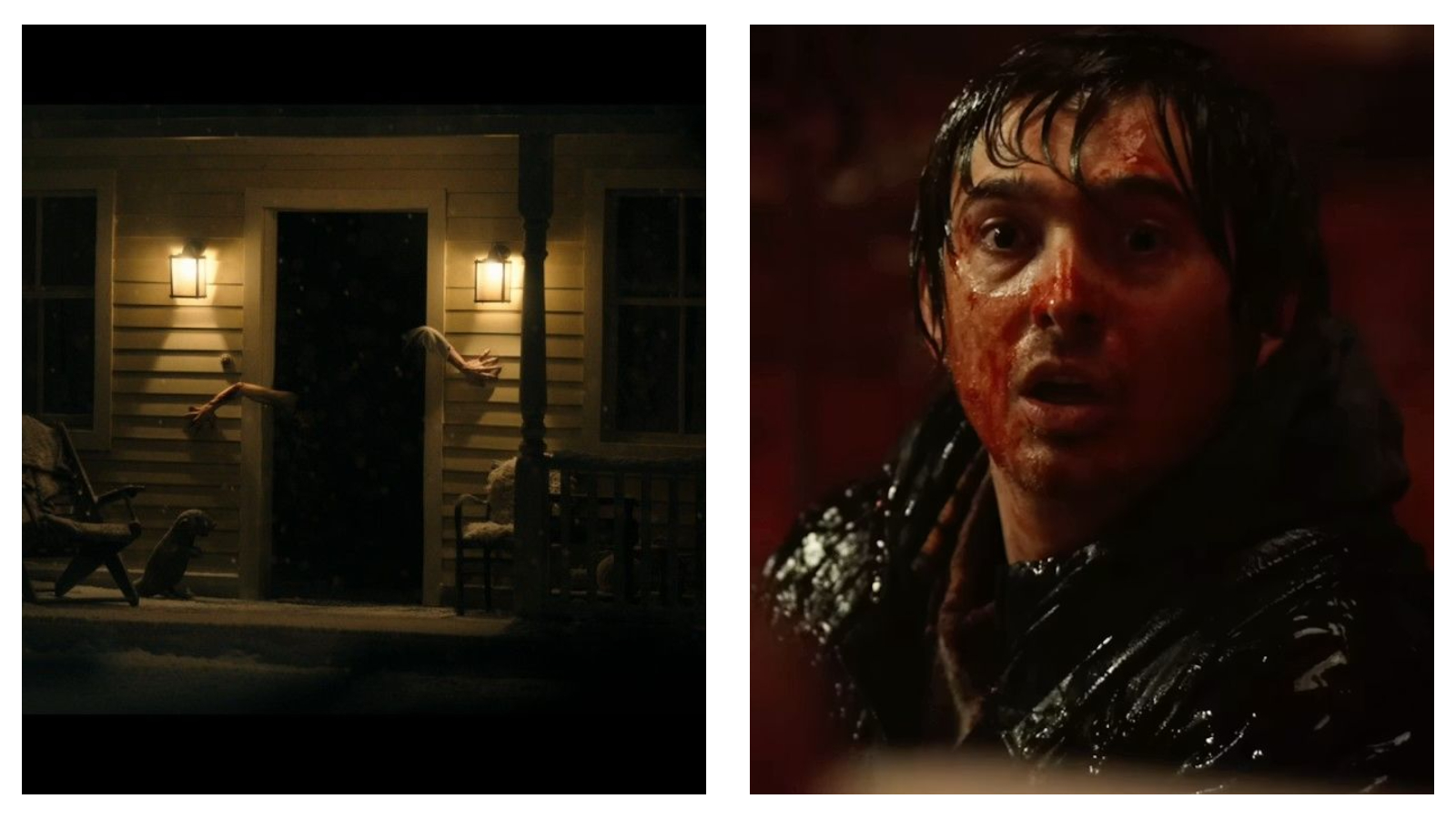
The upcoming 2026 Resident Evil reboot, directed by Zach Cregger (Barbarian, Weapons), seems driven to shatter the ‘video game movie curse’ that plagued its predecessors.
Rather than leaning into superhero action, Cregger’s approach focuses on what made the games legendary: pure, inescapable dread.
Instead of retelling Leon or Claire’s familiar arcs, the new film follows Bryan (played by Austin Abrams), an ordinary medical courier trapped in Raccoon City on the night of the initial viral outbreak.
By centring on a completely vulnerable protagonist with zero combat training, the film captures the core mechanic of early Resident Evil titles: feeling hopelessly outmatched against horrifying odds.
To conclude
The classic Resident Evil films will always hold nostalgic value as action-fueled fun, but they failed to capture the soul of the games.
By stripping away the flashy acrobatics and returning to tight spaces, limited resources, and genuine fear, this new chapter has a real shot at redemption.
If Cregger can deliver on his promise of visceral horror, fans might finally get the true Resident Evil movie they’ve been waiting 30 years to see.
READ NEXT – Film news: ‘Resident Evil’ reboot wows test audiences