The Marvel Cinematic Universe has never been short of damaged people. Behind the costumes, superpowers and world-ending threats are characters carrying grief, trauma, anger and loneliness.
Spoilers ahead for Spider-Man: Brand New Day.
But increasingly, Marvel seems less interested in asking whether these characters can overcome their pain than whether they can learn to live with it.
Spider-Man: Brand New Day provides one of the clearest examples yet.
Peter Parker’s unlikely relationship with Frank Castle, the introduction of Jean Grey and the film’s thematic connection to Thunderbolts all point towards a Marvel universe becoming increasingly interested in what happens when its heroes are no longer defined solely by the battles they fight.
Frank Castle discovers there is still something worth protecting
On paper, putting the Punisher into a Spider-Man film should be tonal chaos.
In practice, it becomes one of the film’s most revealing relationships.
Frank is still Frank. He is violent, uncompromising and perfectly willing to solve a problem in a way Peter never would.
Brand New Day does not suddenly turn the Punisher into a cheerful uncle who has discovered yoga and emotional intelligence.
But he is different. There is more warmth underneath the brutality.
And that is significant when considering everything Frank has endured across his Marvel history.
His family was taken from him. His faith in institutions and people has repeatedly been destroyed.
He has spent years existing almost entirely through violence, revenge and survival.
Then he encounters Peter Parker.
Opposites finding solace
Peter is almost the inverse of Frank.
He has also experienced devastating loss, but instead of allowing that loss to consume him, he keeps trying to help people. He still believes that human beings are worth saving.
That makes their relationship feel like more than the obligatory Marvel odd-couple pairing.
Frank sees someone who has suffered and somehow retained his faith in people.
Peter sees someone who has suffered and almost completely lost his.
Their relationship becomes a quiet checkpoint in Frank’s development: not a redemption arc, but evidence that he has begun to reintegrate into the world he spent so long rejecting.
There is something almost familial about the way Frank interacts with Peter. He can still threaten him, argue with him and disagree with his methods, but there is an unmistakable affection underneath it.
It is as though Frank has unexpectedly found someone he cares about again.
And perhaps that is why he can be a little lighter around Peter without ceasing to be the Punisher.
The point is not that Frank has been fixed.
The point is that he has found another reason to stay connected.
Jean Grey is Peter’s mirror
At first, Jean appears to be almost everything Peter is not.
She is angry, destructive and increasingly disconnected from the people around her. Her powers allow her to invade other people’s minds, while her own pain pushes her further away from humanity.
But underneath that is the same fundamental problem Peter has:
She is alone.
The difference is how they respond to it.
Peter turns his pain inward. Jean turns hers outward.
Trying to do everything alone
Peter removes himself from other people’s lives because he believes his presence puts them in danger.
Jean lashes out at the world because she cannot process what has been done to her.
Neither response is healthy.
And Peter recognises something in Jean that others do not.
He does not simply see a threat that needs to be defeated. He sees somebody who has been hurt, deeply.
That becomes crucial because Peter’s argument to Jean is essentially the same lesson he has spent the entire film learning himself: you cannot survive everything by yourself.
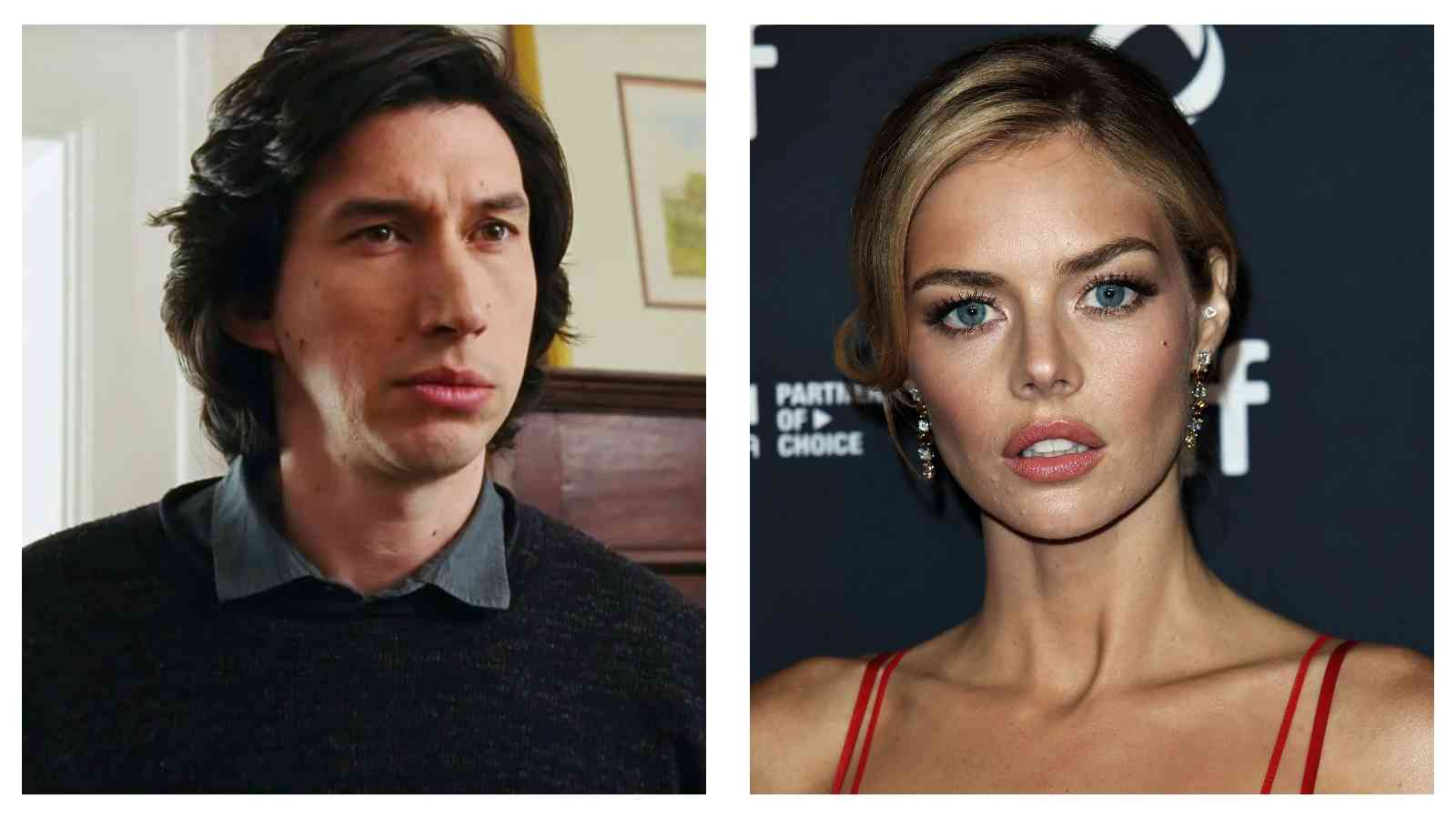
READ MORE – Film news: Adam Driver and Samara Weaving cast in MCU’s ‘X-Men’
Positioning of empathy
The film’s climax makes that literal.
Peter allows Jean to enter his mind, and she encounters his memories, including the emotional influence of Aunt May.
The confrontation therefore becomes less about defeating Jean, but rather about allowing her to experience another person’s pain and compassion.
It is not a perfect treatment of the character, and Jean’s actions understandably raise questions about responsibility and redemption.
But thematically, the connection is clear.
From ‘Thunderbolts’ to ‘Doomsday’, Marvel is finding its identity again
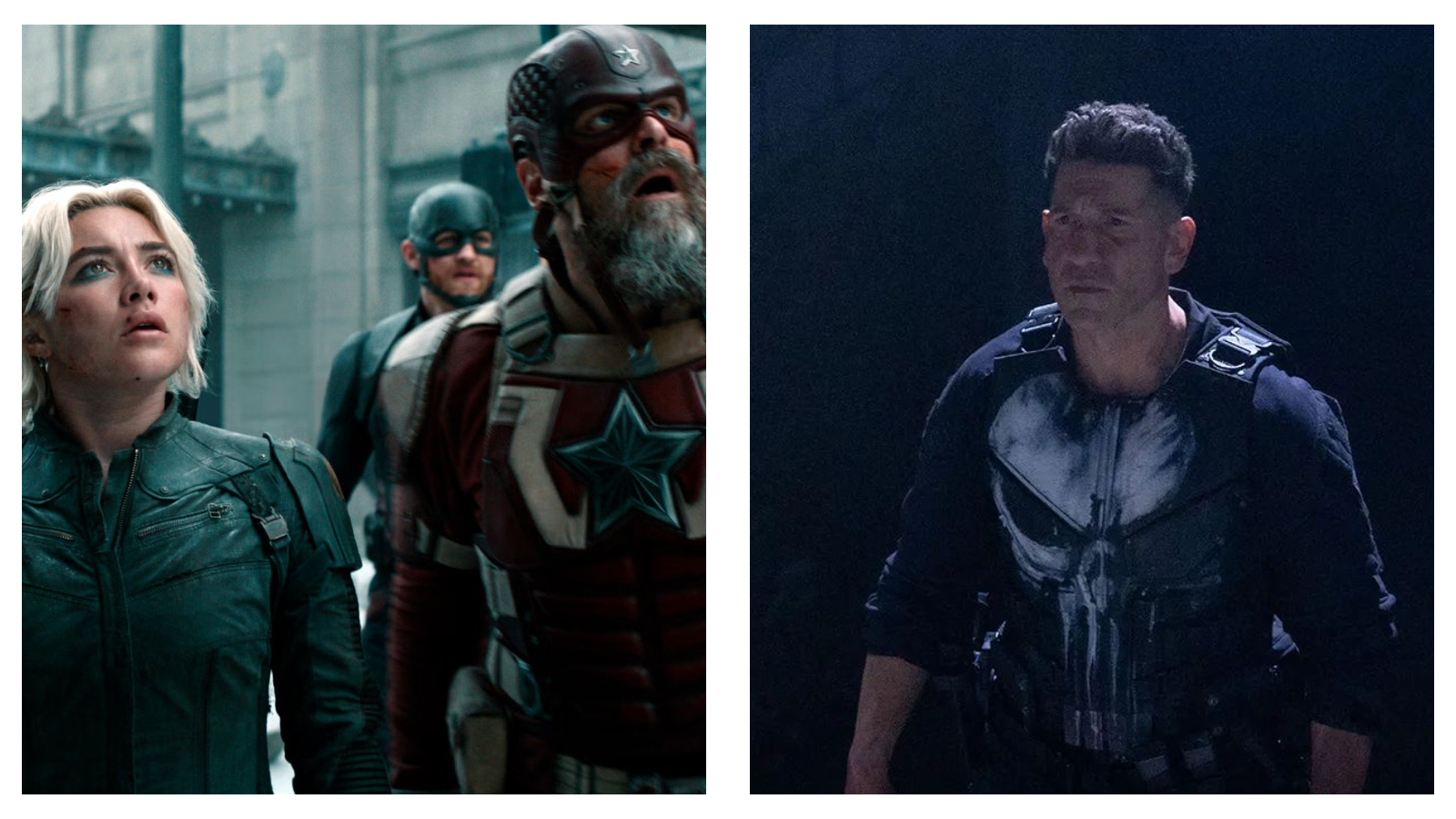
Thunderbolts already demonstrated that the studio was willing to make emotional isolation a central component of a superhero story.
Yelena, Bucky, John Walker, Ghost, Red Guardian and Bob are all damaged people who have struggled to find a meaningful place in the world.
Marvel’s own description of the film characterises them as disillusioned outsiders forced to confront the darkest parts of their pasts before finding some form of redemption and unity.
The difference is that Thunderbolts puts those ideas much closer to the surface.
Its story is explicitly concerned with depression, trauma, loneliness and connection.
‘Brand New Day’ is subtler thematically
The MCU has spent years expanding outward: alternate universes, cosmic threats, enormous crossover events and increasingly complicated mythology.
But Thunderbolts and Brand New Day suggest that there may be value in doing the opposite – bringing the universe back down to the people inside it.
The fact that Thunderbolts ultimately rebrands its team as the New Avengers makes that particularly relevant.
YOU MAY ALSO LIKE – Film news: Teasing ‘Star Wars: Starfighter’ and ‘Ahsoka’ at Disney D23
Marvel’s heroes don’t need ‘fixing’
What connects Frank Castle, Jean Grey and the characters of Thunderbolts is not that they have overcome their pain.
They haven’t.
Frank is still the Punisher. Jean’s powers and the damage surrounding them have not suddenly disappeared.
The Thunderbolts remain a collection of people carrying histories they cannot simply erase.
What has changed is their relationship with other people.
That may sound like a small distinction, but it represents an increasingly important shift for Marvel.
For years, the MCU’s answer to trauma was often another battle. Characters lost someone, suffered a betrayal or experienced some form of catastrophic failure, and the next step was usually to find the person responsible and defeat them.
The newer stories are becoming more interested in what comes afterwards.
INTERESTED IN SPORTS BETTING? CHECK OUT: Premier League betting tips: Arsenal, Man Utd and Liverpool among our top Gameweek 1 picks
Foundation for connection
Peter gives Frank a reason to care about someone beyond himself. Peter gives Jean the possibility of seeing her pain through another person’s eyes.
The Thunderbolts discover that their individual damage does not necessarily prevent them from becoming something greater together.
None of this requires Marvel to abandon what makes superhero films entertaining. There will still be enormous fights, impossible powers and threats capable of bringing entire worlds to their knees.
But those things mean more when the people standing in the middle of them actually feel human.
As Marvel heads towards Avengers: Doomsday, that could prove more valuable than another escalation of the stakes.
The MCU already knows how to make its heroes powerful. It knows how to make them spectacular.
Perhaps its next challenge is making them feel connected.
The most compelling thing about a damaged hero is not watching them become perfect.
It’s watching them realise they were never meant to be, and that’s okay.
READ NEXT – Film opinion: How ‘Spider-Man: Brand New Day’ finds the humanity beneath the spectacle