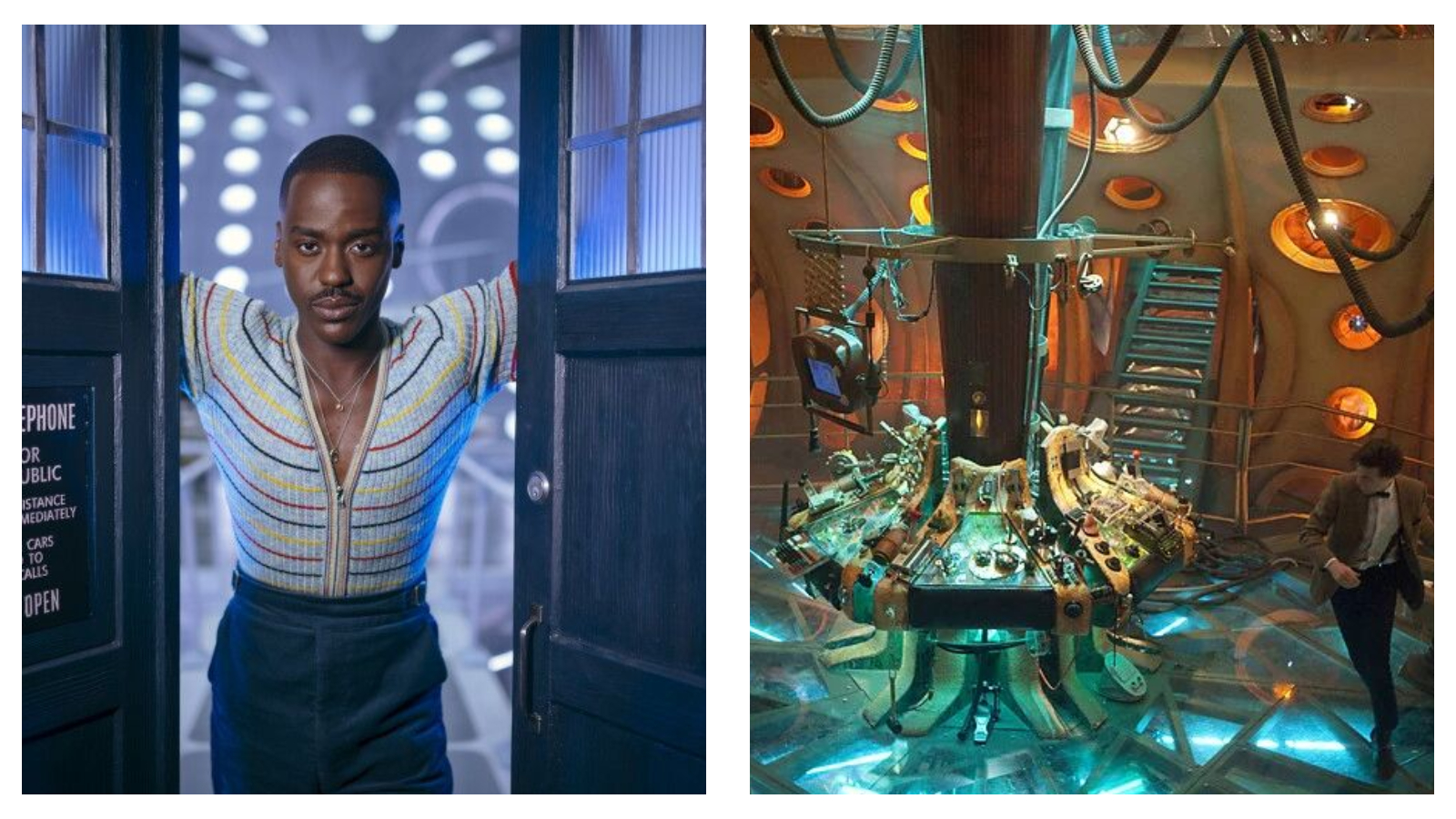
The BBC has officially unveiled the tender inviting new production companies to pitch their vision for the future of Doctor Who.
A lot has happened to get us to this stage.
Ncuti Gatwa regenerated into Billie Piper (as a Doctor/not-Doctor) last year, before Disney’s partnership with Bad Wolf came to an end.
Then, the BBC canned the 2026 Christmas Special, with showrunner Russell T Davies and Bad Wolf stepping away.
Doctor Who was then put out to tender, and BBC Studios, Electric Entertainment and World Productions have declared their interest.
The tender has been made public, with the initial deadline for submissions coming on 2 October.
So what key attributes are the BBC looking for from the new Doctor Who custodians?
‘Doctor Who’ will be back in 2028/29
First and foremost, the BBC tender confirms a desire to bring Doctor Who back as soon as possible.
“The contract will be to produce Doctor Who for a multi-episodic series (including specials) for transmission in 28/29,” it reads.
This will come as welcome news to Whovans who feared Doctor Who would be going on an extended hiatus.
Plus, the inclusion of specials is also a boon, as Christmas doesn’t quite feel right without the TARDIS.
The essence of the show is key
The last few years felt like Doctor Who was having an identity crisis.
Disney budgets, rushed storylines, lack of character development and more contributed to the show not quite feeling right.
Let’s not get started on the mind-bending middle-of-the-night release on iPlayer.
Doctor Who is a cultural institution, and the tender implies the BBC want new custodians to give its mojo back.
“The series occupies a unique position in popular culture, combining entertainment for a broad audience with sophisticated science fiction concepts, emotional depth, humour, and spectacle,” it says.
“We are commissioning a new flagship series of Doctor Who. The series should feel contemporary, and creatively ambitious, whilst remaining true to the values and characteristics that have made Doctor Who a beloved series across generations.
“We see this pitch as an exciting opportunity to innovate and surprise us. Stories should balance high concept science fiction with strong emotional narratives, ensuring that spectacle is always grounded in character and human experience.
“Episodes should transport audiences to extraordinary times and places, ranging from historical settings to distant futures, alien worlds, and contemporary Earth. Successful pitches will deliver ‘back of the sofa’ scares, jeopardy and tension, whilst remaining suitable for a broad family audience.
“Doctor Who embraces themes that celebrate curiosity, courage, intelligence, and compassion, themes that interrogate the human condition and most of all, it should and will always be distinctively British storytelling.”
Everything laid out here really demonstrates a core understanding of what makes Doctor Who special, and an intent to make it a ‘flagship series’ on the BBC is even more promising.
Peak Saturday night viewing rather than an iPlayer afterthought, please.
Reinvention
There’s a desire for innovation as well, and this is welcome.
Doctor Who has survived for over 60 years because it can constantly regenerate itself in different ways, beyond the central character.
So, again, it’s good to see the BBC ask for pitches to provide “an understanding of the original characters, aliens and themes that producers wish to bring to the show and are keen not to be overly reliant on existing Doctor Who lore.
“We are looking for a new perspective that ensures Doctor Who remains relevant, surprising, brave and inspiring for both long-standing fans and new audiences.”
Moreover, the BBC has stated that it feels “flexible in the way the series is structured, i.e. serialised or ‘story-of-the-week’ and the number of episodes which make up the series.”
Chris Chibnall tried a serialised series with Flux, with mixed results, but again, it’s nice to see an open book here for pitches to try something new.
Putting a greater emphasis on companions
Former showrunner Steven Moffat nailed an incredible formula during his time helming Doctor Who.
For several years, Matt Smith’s incredible Doctor was joined on adventures in time and space by Karen Gillan’s Amy Pond and Arthur Darvill’s Rory Williams.
Seeing this core trio on a weekly basis allowed audiences to fall in love with all three of them, and gave the companions significant room to develop.
The tender asks for something similar.
“Aside from the central character of the Doctor, you will need to develop at least one companion for the series,” it says.
“Companions should be distinctive, authentic characters in their own right, whose lives, relationships, ambitions, and personal journeys enrich the series.
“They should serve as an access point for audiences whilst also challenging, supporting, and influencing the Doctor.”
Summary
What’s most exciting about the tender is that it demonstrates how much the BBC values and understands one of its most historic shows.
It’s clear that the BBC wants to look after it, and has opened its arms to potential suitors to carry Doctor Who into a bright and bold future.
“We are seeking a creative vision that embraces the breadth of what Doctor Who can be and could be,” the tender says.
“Doctor Who is a show that has sparked conversation, taken risks and inspired audiences for decades and we are looking for this series to continue that tradition.”
It’s a compelling call to arms, and hopefully some talented production teams will take up the challenge.
Allons-y!
READ NEXT – TV news: Who could bid for ‘Doctor Who’ in BBC tender process?