Long before a film reaches cinemas, it may already have become a cultural event.
Whether its fan theories, viral memes, casting debates or months of TikTok edits, online communities are increasingly shaping the conversation around films before audiences have even seen a scene.
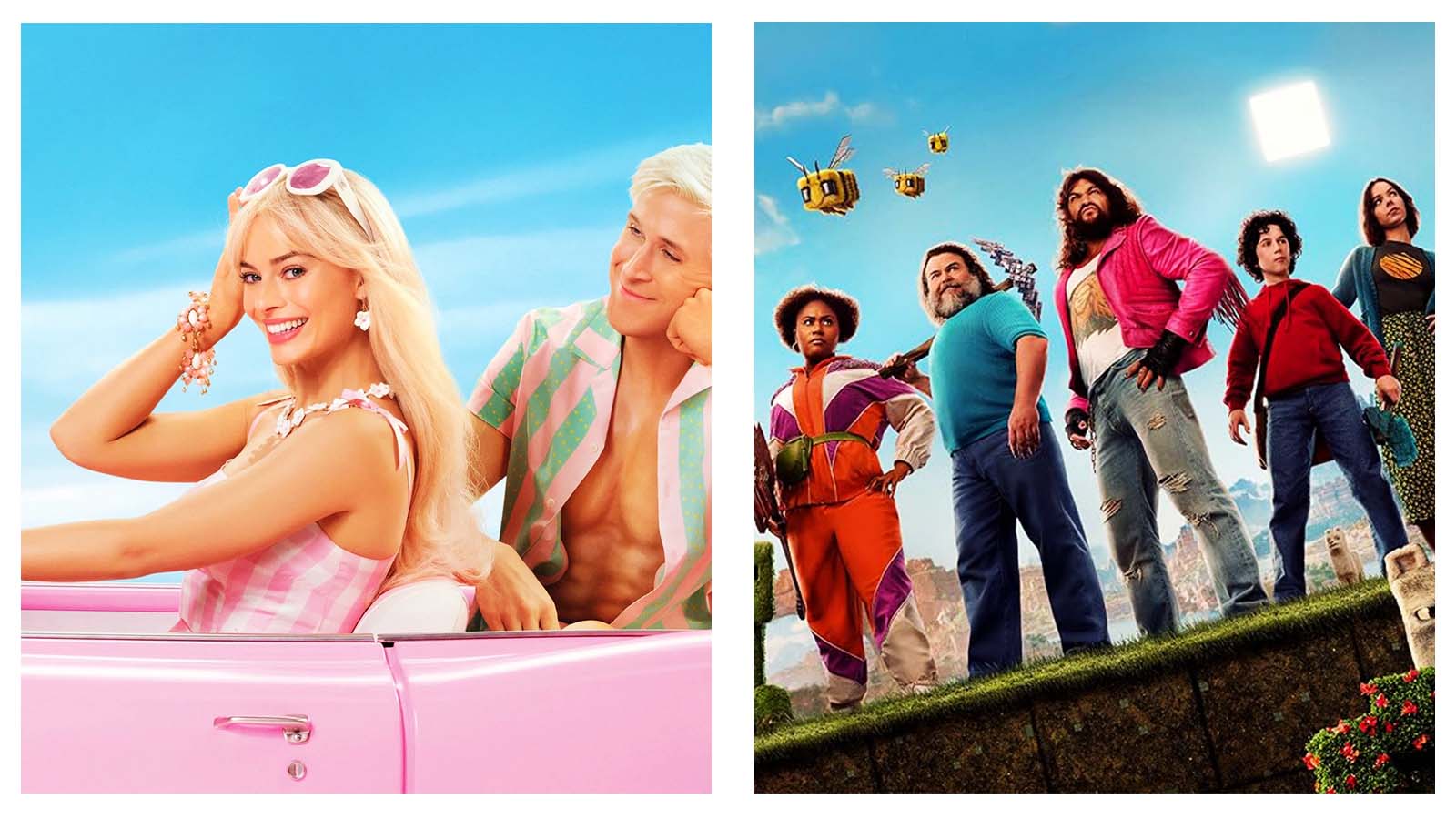
From Barbie’s pink marketing phenomenon to the viral anticipation surrounding A Minecraft Movie and the internet-fuelled excitement surrounding Wicked, online hype has become almost as important as traditional marketing.
As digital communities increasingly influence what people choose to watch, Film News Blitz’s Jessica Spilsbury explores whether internet culture can make a film feel success on the horizon before it has even been released.
The film starts long before release day.
Traditionally, a film’s reputation was built through trailers, reviews and word of mouth after release.
Today, that process often begins months — or even years earlier.
Every casting announcement, teaser image or leaked set photo becomes an opportunity for discussion across TikTok, Reddit, Letterboxd and X.
Despite the global box office generating more than $33.9 billion in 2024, according to the Motion Picture Association, the battle for audiences increasingly begins online before the actual cinema release itself.
Social media has become part of the release strategy.
Rather than simply promoting a finished product, studios increasingly encourage audiences to participate in building the anticipation themselves.
READ MORE: Film news: Jodie Comer praises fresh perspectives in ‘The Death of Robin Hood’
When hype becomes marketing
Few recent examples demonstrate this better than Barbie.
Months before its release, the film dominated social media through its distinctive pink marketing campaign, memes and the now-famous “Barbenheimer” phenomenon alongside Oppenheimer.
The phenomenon involved encouraging cinema-goers to attend back to back viewings of both Barbie and Oppenheimer.
The result extended far beyond traditional advertising.
Audiences were no longer simply deciding whether to watch the film- they wanted to be part of the cultural moment surrounding it.
Warner Bros. reportedly spent around $150 million marketing Barbie, matching the film’s production budget, but much of its visibility came from user-generated content rather than official trailers alone.
Across TikTok and Instagram, fans recreated Barbie-inspired outfits, debated the film’s themes and documented cinema trips dressed entirely in pink.
Brands and creators also join the conversation, with everyone from fashion retailers to fast food chains producing Barbie-themed content, such as Burger King, Airbnb, Crocs and Xbox.
In many ways, the internet didn’t just amplify the marketing campaign- it became a part of it.
More recently, Wicked adopted a similar approach.
Long before audiences saw the film, fans were recreating the film’s posters, debating Ariana Grande and Cynthia Erivo as the chosen actresses, and sharing clips from the press tour across TikTok.
The online conversation became almost as visible as the official marketing itself.
The power of online communities
The effect is not limited to blockbuster franchises.
A similar pattern emerged through the film, Saltburn.
Months after its release, scenes such as Oliver dancing naked through the house and the infamous bath water sequence exploded across TikTok through memes, reaction videos and parody edits, introducing the film to audiences who had never seen the trailer.
Similarly, Five Nights at Freddy’s entered cinemas with a passionate online fanbase built over almost a decade through YouTube creators, gaming communities and fan theories.
A similar pattern has emerged with A Minecraft Movie.
The film benefitted from an already established online community, with years of fan creations, gameplay videos and memes helping build anticipation long before the film came out.
Months before release, trailers, casting announcements and fan reactions generated millions of views online, while memes surrounding Jack Black’s performance spread widely across social media, keeping the film in the public’s mind well before the opening weekend.
In both cases, internet culture did more than advertise the films- it created communities that felt personally invested before opening weekend had even arrived.
Research by CableTV.com has found that 95% of Gen Z respondents increasingly discover films through social media recommendations rather than traditional advertising, reflecting a broader shift in how anticipation is created.
In other words, for many younger viewers, a recommendation from TikTok may now carry more weight than a traditional film trailer.
YOU MAY ALSO LIKE: ‘Supergirl’ review: A solid outing for Milly Alcock’s DC heroine
Can hype become a problem?
However, internet attention is not always beneficial.
Months of speculation can create expectations that no film can realistically satisfy.
Casting rumours, fan theories and edited trailers often build an imagined version of a film that differs from the finished product.
This was evident with films such as Joker: Folie á Deux, where online discussion began long before release but quickly shifted once audiences finally saw the finished film.
Online excitement can be powerful, but it also inflates expectations beyond what any film can realistically deliver.
As filmmaker Christopher Nolan has argued: “There always has to be a respect for the audience’s desire for something new.”
His point highlights the challenge facing modern studios: no amount of online excitement can compensate for audiences feeling disappointed once the film finally arrives.
Increasingly, it’s clear that the event begins online rather than inside the cinema.
What comes next?
Internet culture can no longer guarantee that a film will be critically acclaimed or commercially successful.
Ultimately, audiences still decide whether the finished product lives up to the hype.
However, success is increasingly measured long before opening weekend.
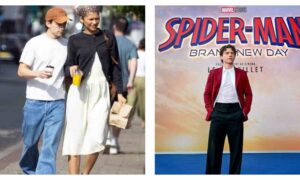
Upcoming releases such as Spider-Man: Brand New Day have already generated millions of views through casting rumours, set leaks and fan theories, proving that audiences are investing in films months before they reach the cinemas.
By the time the lights go down, many viewers have already debated the casting, shared the memes, bought the merchandise and decided whether the film feels like a cultural moment.
The premier is no longer the beginning of a film’s story.
It’s the culmination of a conversation that has been unfolding online for months and most importantly, whether the internet decides the film is worth talking about.
READ NEXT – Film news: Robert Eggers teases ‘harrowing’ Aaron Taylor-Johnson in ‘Werwulf’